Moisture is one of those concrete problems that can sit quietly for weeks… and then show up all at once as peeling coatings, bubbling epoxy, whitening (blushing), dark spots under sealers, or flooring adhesives that just won’t stay put. The frustrating part is that the slab can look dry on the surface and still be holding a lot of moisture deeper down. That’s exactly why RH testing in concrete moisture mitigation matters. It helps you measure what’s happening inside the slab, so you can choose the right fix (or avoid an expensive failure altogether).
At Custom Concrete Prep & Polish, moisture mitigation is part of a bigger floor-prep approach: identify the cause, prep correctly, and then install the right system, whether that’s polished concrete, sealed concrete, epoxy, polyaspartic coatings, or a dedicated mitigation layer.
Why Moisture “Control” Is The Real Goal
Concrete is porous. Even after it cures, it can still transmit moisture vapor. That moisture can come from:
- A slab that hasn’t dried enough yet (common on new construction)
- Ground moisture moving upward (especially if the vapor barrier is missing or compromised)
- Humid conditions above the slab that drive condensation
- Water intrusion from leaks, drainage, or hydrostatic pressure
This is why you’ll hear pros talk about concrete moisture control systems instead of “quick fixes.” The goal isn’t just to make the floor look better today—it’s to control vapor movement so your finish holds up for years.
What RH Testing Actually Measures
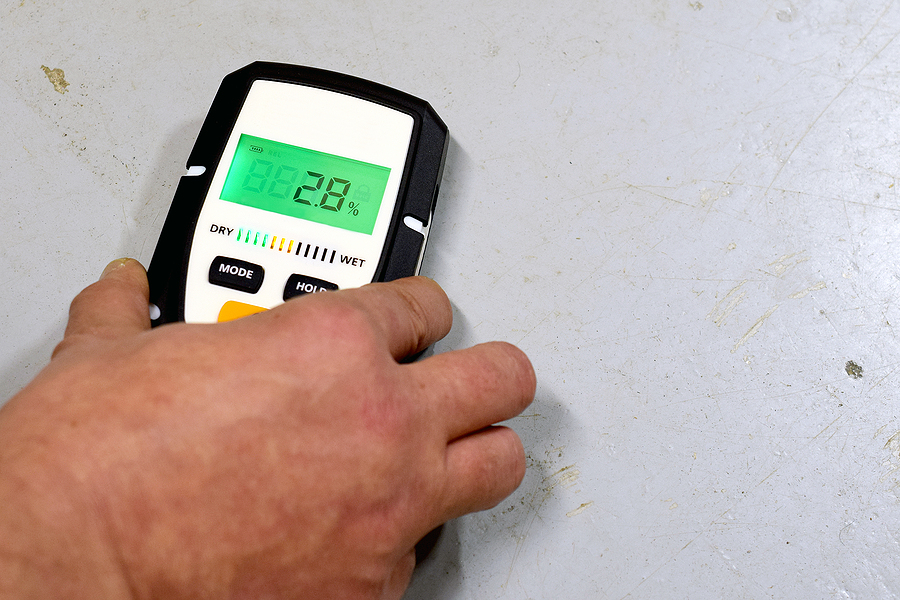
RH testing is typically “in-situ” testing—meaning probes measure relative humidity inside the concrete slab, not just on top of it. ASTM has a standard test method specifically for this: ASTM F2170, which covers determining the percent relative humidity in concrete slabs.
Here’s the practical translation: RH testing tells you how much moisture is still hanging around within the slab, so you can predict whether that moisture is likely to cause trouble once you install a coating, sealer, adhesive, or finished floor.
Why Surface Dryness Can Be Misleading
A slab can feel dry to the touch and still fail a moisture test. That happens because:
- Air movement and heat can dry the surface faster than the slab’s core
- The slab can hold “internal” moisture that slowly equalizes over time
- Once you install a low-permeability coating, moisture vapor has nowhere to go… so pressure builds
That buildup is what can cause blistering, delamination, or cloudy sealers. RH testing helps you avoid installing a system that’s basically a lid on a still-wet pot.
Where RH Testing Fits In A Moisture Mitigation Plan
A good mitigation plan is less “one magic product” and more of a checklist. RH testing is the decision point that prevents guessing.
A typical workflow looks like this:
1) Identify The Risk
If you’re doing anything beyond bare concrete polishing, sealing, epoxy, polyaspartic, or resilient flooring, moisture risk should be part of your prep conversation. Custom Concrete Prep & Polish’s service lineup is built around that prep-first mindset, because coatings and finishes only perform as well as what’s beneath them.
2) Test, Don’t Assume
RH testing creates a real data point. That matters because product warranties and manufacturer installation requirements often depend on measured moisture conditions, not “it seems dry.”
3) Choose The Right Concrete Moisture Control System
Once you know the RH levels, you can choose a system that fits the conditions and the finished-floor goal. Options may include:
- Vapor barrier/mitigation coatings designed to block moisture vapor transmission
- Sealers or densifiers (when conditions allow)
- Surface prep steps that improve bond and reduce failure risk
The key is system selection based on the slab’s moisture reality—not the schedule pressure to “just get it done.”
4) Prep The Surface Like It Matters (Because It Does)
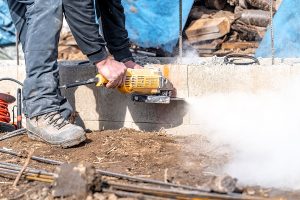
Moisture mitigation and bonding go hand-in-hand. Grinding, profiling, cleaning, and repairing cracks/joints are often what separates long-term success from a call-back. Custom Concrete Prep & Polish emphasizes surface prep and tailored solutions as part of moisture mitigation work.
What Happens When You Skip RH Testing
Skipping RH testing doesn’t always fail immediately, which is what makes it tempting. But when it fails, it fails expensively.
Common outcomes include:
- Adhesive breakdown under tile, LVP, carpet tile, or other coverings
- Bubbles or blisters in epoxy and other coatings
- Peeling/delamination from vapor pressure or poor bond
- Cloudy sealers and inconsistent sheen
- Mold/mildew risk in trapped moisture environments (especially under coverings)
If you’re investing in a new finish, RH testing is cheap insurance compared to replacing a failed system.
When RH Testing Is Especially Worth It
You can benefit from RH testing on almost any slab, but it’s particularly important when:
- The slab is new, and timelines are tight
- You’re seeing dark spots, damp edges, or recurring efflorescence
- The slab is on-grade/below-grade (ground moisture risk)
- You’re installing a low-permeability coating or floor covering
- The building is in a humid climate or has limited HVAC control during construction
In other words, if failure would be painful, test first.
Bringing It Back To The Finished Floor
Moisture mitigation isn’t a standalone service. It’s a foundation step that protects whatever comes next—polished concrete, sealed concrete, stained finishes, epoxy coatings, or polyaspartic systems. Custom Concrete Prep & Polish offers these services as part of a complete floor solution, which is exactly how moisture should be handled: as part of the whole system, not an afterthought.
A Simple Rule: Measure First, Mitigate Second
If there’s one takeaway here, it’s this: RH testing in concrete moisture mitigation isn’t busywork. It’s how you avoid picking the wrong product, installing it at the wrong time, or skipping a needed step in your concrete moisture control systems plan.
And if you’re not sure what your slab is doing, it’s okay, that’s the point of testing.
Ready To Get Your Slab (And Schedule) Under Control?
If you’re planning a coating, polish, sealer, or new flooring install and you want to avoid moisture-related surprises, Custom Concrete Prep & Polish can help you test, diagnose, and build a mitigation plan that actually fits the site conditions. Contact us to learn more.