In a public building, the floor isn’t just a design choice. It’s part of the safety plan. People hustle. They track in rain and snow. Someone spills a drink. A custodian mops. A stroller or wheelchair rolls through. If the surface is too smooth, things can go sideways fast.
That’s where slip-resistant architectural toppings come in. They’re a smart way to refresh concrete, upgrade performance, and add traction without making the floor look like a gritty warehouse slab. And when the goal includes ADA-compliant flooring, these systems help you build in stability and slip resistance from the start, instead of trying to patch the risk later with mats and warning signs.
What Architectural Toppings Are
Architectural toppings are thin overlay systems installed over existing concrete. Think of them as a new “wear surface” that can correct cosmetic issues, improve durability, and change the texture and look of a slab. Depending on the system, you can get anything from a smooth modern finish (with controlled traction) to a more textured, high-grip surface for wet zones.
They’re popular in public projects because they can deliver a clean, cohesive look while still holding up to heavy foot traffic and frequent cleaning.
Why Public Buildings Get Slippery (Even Without Standing Water)
A lot of slip problems happen in spaces that don’t seem “wet” at all. The floor just needs the right mix of smoothness, contaminants, and traffic to become risky.
The most common trouble spots include:
- Entry vestibules and lobbies (rain, snowmelt, grit)
- Restrooms and locker areas (splashing, dampness, humidity)
- Cafeterias and break rooms (spills, grease, constant mopping)
- Long corridors (wear can polish the surface over time)
- Service counters and waiting areas (steady traffic, frequent cleaning)
Even a floor that felt fine on day one can get slick later as wear and cleaning slowly burnish the surface.
ADA Compliant Flooring: The Practical Meaning
When people say ADA-compliant flooring, they’re usually aiming for surfaces that are stable underfoot, supportive for mobility devices, and not prone to sudden slipperiness. In real projects, that means thinking about how the floor behaves in everyday conditions, dirty shoes, wet weather, cleaning cycles, not just how it looks during the grand opening.
Slip-Resistant Architectural Toppings can support that goal because they let you choose a finish texture that still allows smooth rolling movement, predictable transitions, and easy upkeep.
How Slip-Resistant Architectural Toppings Add Traction (Without Looking “Rough”)
The best systems don’t rely on a harsh, sandpaper feel. They use controlled texture—enough grip to reduce slip risk, but not so aggressive that rolling loads struggle or maintenance becomes a nightmare.
Common approaches include:
- Microtexture finishes that add subtle grip without looking busy
- Broadcast aggregate systems where fine media is locked in under a protective topcoat
- Patterned textures that create consistent traction across the surface
- Targeted traction zones (more grip at entries and wet areas, smoother in hallways)
This is where experience matters. Too smooth can be unsafe. Too rough can be hard to clean and unpleasant to live with.
Don’t Skip the Unsexy Part: Prep and Repair
In public buildings, most overlay failures aren’t because the topping was “bad.” They happen because the slab wasn’t properly prepped. If the surface isn’t cleaned, profiled, and repaired the right way, you can end up with weak bond, peeling, random wear patterns, or smooth spots that appear too soon.
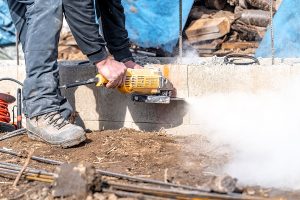
Good prep usually includes the kind of work people don’t notice when it’s done correctly: profiling the concrete, addressing contaminants, fixing cracks and spalls, and making sure the substrate is ready to accept the system you’re putting on top.
Maintenance Can Make or Break Slip Resistance
A slip-resistant floor still needs a maintenance plan that matches the finish. Sometimes floors get slick because of residue left behind by certain cleaners, or because a building starts applying finishes that weren’t meant for that system.
The goal is simple: keep the surface clean without accidentally creating a film that reduces traction. A good topping system should be chosen with the building’s real cleaning routine in mind, not an ideal routine that never happens.
Where These Systems Make the Biggest Difference
Slip-Resistant Architectural Toppings are especially helpful when a building needs an upgrade but can’t justify full demolition. They can also be a strong choice when the owner wants a modern, seamless look, but can’t accept the liability of a slick floor.
They’re commonly used in schools, municipal buildings, healthcare spaces, libraries, and campus facilities because those environments demand a balance of durability, safety, and appearance.
The Bottom Line
If you’re responsible for a public building, flooring performance isn’t optional. Slip-resistant architectural toppings give you a way to improve safety and refresh the look of concrete while supporting ADA-compliant flooring goals. The key is selecting the right texture level for the space, then installing it over properly prepared concrete so it performs long after the ribbon-cutting. Contact Custom Concrete Prep & Polish today.