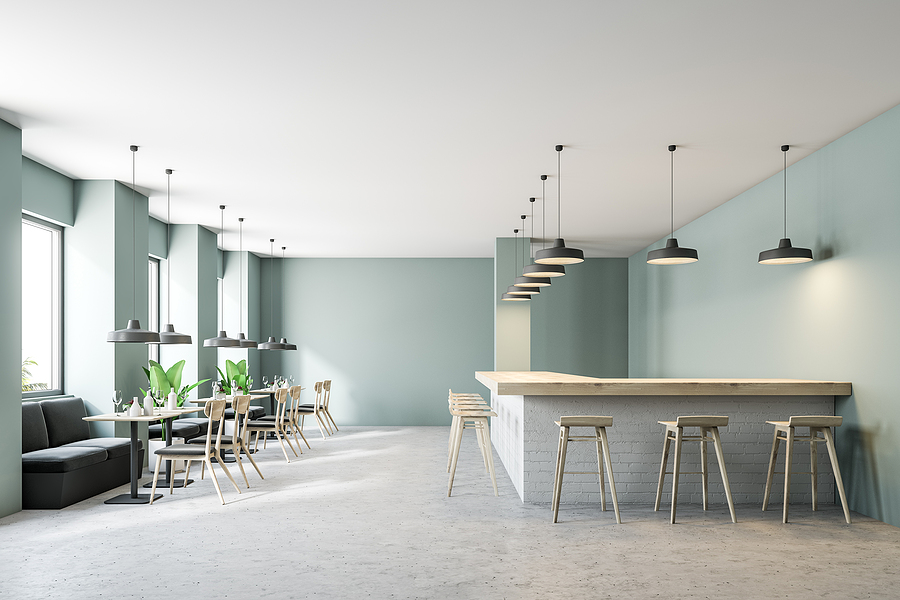
Restaurant floors have to do two jobs at once: look like part of the brand and survive daily punishment from traffic, spills, grease, chairs scraping, and constant cleaning. That’s why decorative epoxy applications for restaurants keep gaining momentum. You can get a seamless, easy-to-clean surface while still making the space feel intentional, modern, and “designed,” not just functional.
Below are the biggest restaurant floor coating ideas showing up in 2025 restaurant projects, plus a few practical notes on where each style works best.
The Big Shift: “Designed” Floors
A big reason epoxy is trending in restaurants is that seamless resinous floors can support hygiene goals. Many health departments focus on surfaces that are smooth, durable, non-absorbent, and easy to clean in food-service environments. When a floor is also decorative, owners get a front-of-house look without switching materials between public areas and back-of-house zones.
And that’s where contractors like Custom Concrete Prep & Polish come in, because in restaurants, the difference between a beautiful epoxy floor and a problem floor usually comes down to prep, detailing, and the right system selection for each area.
Metallic “Marble” Epoxy
Metallic epoxy is still one of the most requested decorative looks because it creates depth and movement you can’t really fake with tile or paint. It’s often described as “marble-like” or “liquid metal,” and it shows up most in entryways, bar areas, host stands, and statement zones where owners want a wow moment.
One thing to know: metallic floors are dramatic because light reflects off the surface. That means lighting design and sheen choice matter. Some restaurants go full gloss for that high-end shimmer, while others temper the shine with a satin topcoat so scuffs and footprints don’t steal the spotlight.
Terrazzo-Style Epoxy
Terrazzo is back in a big way, but traditional terrazzo can be costly and disruptive. A trend that’s growing is terrazzo-style epoxy systems that embed decorative chips or aggregates to create that speckled, dimensional look.
For restaurants, terrazzo-style epoxy hits a sweet spot: it reads upscale, it hides everyday dust better than a flat dark floor, and it can be customized to match brand colors. It’s also a strong choice for high-traffic dining rooms because it looks “busy” in a good way, meaning wear patterns don’t jump out as quickly.
Flake Blends
Yes, flake floors are common in garages, but restaurant designers have been using flake in a much more refined way. Think smaller flake, tighter color palettes, and intentional finishes that look modern instead of loud. Flake also has a practical advantage: it can add traction and visual texture, which helps in entries and transitional spaces.
If you want durability without making the floor the main character, this is often the “safe bet” style. It’s one of the easiest decorative systems to keep looking good under real restaurant traffic.
Quartz Broadcast Systems
Quartz broadcast flooring sits in that “decorative but serious” category. It’s commonly used in commercial environments, including restaurants, because it’s durable and can be built as a system that balances slip resistance with cleanability. Sherwin-Williams Industrial
Quartz is especially popular for bathrooms, dish areas, and other spill-prone zones when owners want something that looks crisp and intentional, not like a back-of-house compromise pushed into public view.
Matte and Satin Topcoats
For years, “high gloss” was the default epoxy look. Now, a noticeable trend is dialing sheen down. Satin and matte finishes still look premium, but they’re more forgiving under bright lighting, and they hide micro-scratches better in busy dining rooms. You still get the seamless benefit of epoxy, just with a softer visual.
This shift shows up alongside broader 2025 epoxy design trends that emphasize design-forward finishes and more nuanced aesthetics, rather than one-size-fits-all gloss.
Branding In The Floor
More restaurants are treating floors like part of their signage package. Some of the most in-demand restaurant floor coating ideas right now include subtle logo inlays, border accents that define the bar zone, and wayfinding-style lines that guide guests (and staff) through tight spaces. Custom branding is specifically called out as a continuing epoxy trend into 2025.
The best versions of this don’t scream. They’re quiet, clean, and intentional, like a design detail you notice without feeling like you’re being marketed to.
The Detail Trend
If you’re doing epoxy in a restaurant, one of the most functional “style” upgrades is an integral cove base, where the floor curves up the wall instead of meeting it at a sharp 90-degree corner. That intersection is where grime and moisture love to hang out. An integral cove base creates a seamless transition that’s easier to wash down and keep sanitary.
Even if the dining room doesn’t need it, cove base is a common best practice in prep areas, dish rooms, and kitchens, basically anywhere you expect frequent wet cleaning.
Choosing the Right Look
A smart restaurant epoxy plan usually treats the building like two environments.
Front-of-house is design-led, so metallic marble, terrazzo-style epoxy, refined flake, and branded details tend to shine. Back-of-house is performance-led, so traction, chemical resistance, and cleanability lead the decision. It’s also where system details—like cove base and the right texture for slip resistance—matter more than “what looks cool.”
Some restaurants use epoxy in public zones and a different resinous system in kitchens, depending on heat, impacts, and cleaning chemicals. Decorative epoxy applications for restaurants work best when there’s a unified plan that looks cohesive while still matching the abuse level of each space.
Bringing It To Life
Trending looks are fun, but restaurants don’t get extra points for a pretty floor that fails. Decorative epoxy applications for restaurants require more than appearance alone. Custom Concrete Prep & Polish specializes in decorative concrete and coating systems, including epoxy floor coatings, and builds every project around the prep and system choices that make the finish last. Contact us to learn more.