Concrete floors are known for their strength and longevity, but even the most durable slabs can show signs of wear over time. Cracks, surface damage, uneven textures, and staining often lead property owners to assume full replacement is the only solution. In reality, concrete slab restoration through professional floor finishing can dramatically improve existing slabs without the cost or disruption of demolition.
When done correctly, floor finishing improves existing slabs by restoring performance, enhancing appearance, and extending service life. It is a practical solution for commercial, industrial, and residential spaces that need results without unnecessary downtime.
The Problem With Aging Concrete Slabs
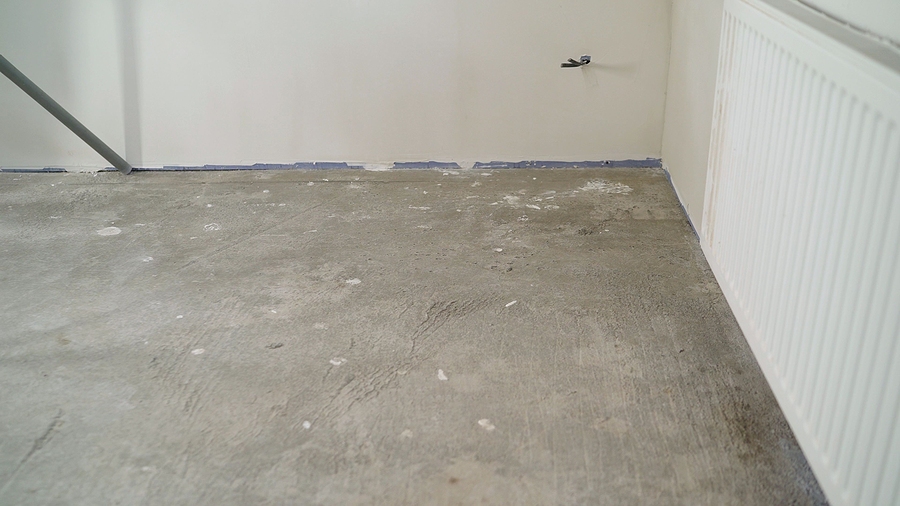
Over time, concrete slabs are exposed to heavy foot traffic, machinery, moisture, and temperature fluctuations. These factors can cause surface deterioration, joint damage, and uneven wear. While the slab itself is often still structurally sound, the surface layer may no longer meet functional or aesthetic requirements.
Common issues include surface scaling, minor cracking, staining, and inconsistent finishes. Left unaddressed, these problems can worsen, leading to safety concerns and increased maintenance costs.
This is where concrete slab restoration becomes a valuable alternative to replacement.
What Is Custom Concrete Floor Finishing?
Custom concrete floor finishing is a process that restores and enhances existing concrete slabs through grinding, repair, densification, and polishing or coating. Rather than covering up problems, the process addresses surface defects and improves the slab from the top layer down.
Each project is tailored to the condition of the slab and the intended use of the space. Whether the goal is a polished, decorative finish or a durable industrial surface, custom finishing delivers results aligned with real-world performance needs.
How Floor Finishing Improves Existing Slabs
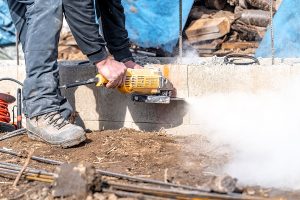
One of the primary benefits of floor finishing is that it corrects surface-level issues while preserving the structural integrity of the slab. Grinding removes uneven areas, surface damage, and contaminants that interfere with performance.
Cracks and joints can be repaired to prevent further deterioration. Densifiers are then applied to strengthen the concrete surface, reducing dusting and increasing resistance to wear.
Through these steps, floor finishing improves existing slabs by creating a smoother, stronger, and more uniform surface without altering the underlying structure.
The Role of Concrete Slab Restoration in Cost Savings
Concrete slab restoration is significantly more cost-effective than full replacement. Removing and repouring concrete requires demolition, disposal, curing time, and operational shutdowns that can disrupt business or daily use.
Restoration minimizes downtime and allows many spaces to remain partially or fully operational during the process. By extending the life of an existing slab, property owners avoid the expense and inconvenience associated with replacement.
This makes restoration especially appealing for warehouses, retail spaces, manufacturing facilities, and commercial interiors.
Performance Benefits Beyond Appearance
While appearance is an important consideration, performance improvements are often the primary driver behind custom concrete floor finishing. A properly finished slab is easier to clean, more resistant to abrasion, and less prone to moisture-related issues.
Polished or sealed surfaces reduce dust and improve indoor air quality. Improved traction and surface consistency enhance safety in high-traffic environments. These benefits make finished concrete floors a practical solution for demanding applications.
Concrete slab restoration improves both how the floor looks and how it performs over time.
Custom Finishing for Different Environments
Not all concrete floors serve the same purpose, which is why customization matters. Retail and office spaces may prioritize aesthetics and reflectivity, while industrial environments focus on durability and slip resistance.
Custom concrete floor finishing adapts to these needs by adjusting grinding levels, finishes, and protective treatments. The result is a floor that supports the function of the space rather than working against it.
This flexibility is one of the key reasons floor finishing improves existing slabs across a wide range of industries.
Sustainability and Reuse Advantages
Restoring an existing concrete slab is also an environmentally responsible choice. By reusing the existing material, concrete slab restoration reduces waste and lowers the demand for new raw materials.
This approach aligns with sustainability goals while still delivering a high-performance floor. Many organizations choose restoration as part of broader efforts to reduce environmental impact without sacrificing quality.
Why Professional Expertise Matters
Concrete floor finishing is not a one-size-fits-all process. Improper grinding, repair, or sealing can lead to uneven results or premature failure. Professional assessment ensures the slab is suitable for restoration and that the correct methods are used.
Experience allows contractors to identify hidden issues, recommend appropriate treatments, and deliver consistent results. This expertise is essential for achieving long-term value.
Restore Instead of Replace
If your concrete floors are showing signs of wear, replacement may not be necessary. Floor finishing improves existing slabs by addressing surface damage, enhancing durability, and creating a clean, professional appearance.
Concrete slab restoration offers a cost-effective, efficient way to extend the life of your floors while improving performance and aesthetics.
To learn how custom concrete floor finishing can restore your existing slabs, schedule a consultation today.