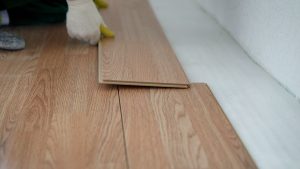
Removing old flooring is often the first step toward restoring or polishing a concrete slab. However, many property owners are surprised when dark shadows, stains, or blotchy patterns remain even after the glue is gone. This issue is known as adhesive ghosting, and it is one of the most common and frustrating challenges encountered after flooring removal.
Glue residue in concrete floors can leave behind more than just surface-level problems. If not addressed correctly, adhesive ghosting can compromise appearance, polishing results, and long-term floor performance.
What Is Adhesive Ghosting?
Adhesive ghosting refers to visible discoloration or shadowing left in concrete after flooring adhesives have been removed. Even when the surface feels clean, the concrete may still show outlines of old carpet tiles, vinyl planks, or sheet goods.
This happens because many adhesives penetrate the pores of the concrete. When flooring is removed, the adhesive may be scraped or ground off the surface, but residue remains embedded below. Once polishing or sealing begins, these areas react differently than clean concrete, making the ghosting visible.
Adhesive ghosting is especially noticeable under polished or decorative finishes where clarity and uniformity matter most.
Why Glue Residue Stays in Concrete Floors
Concrete is porous by nature. Flooring adhesives are designed to bond aggressively, which means they often soak into the slab during installation. Over time, pressure, moisture, and heat drive adhesives even deeper.
Basic scraping or light grinding may remove surface glue, but it rarely eliminates all glue residue in concrete floors. As a result, the slab may look acceptable before finishing but reveal ghosting once densifiers or polishing steps are applied.
This is why adhesive removal must go beyond surface cleaning to be truly effective.
How Adhesive Ghosting Affects Polished Concrete
Polished concrete relies on consistent abrasion and chemical interaction. Areas contaminated with adhesive residue respond differently to grinding and densification.
Ghosted areas may appear darker, glossier, or duller than the surrounding concrete. In some cases, they prevent densifiers from penetrating properly, leading to uneven hardness and premature wear.
Once polishing is complete, correcting adhesive ghosting becomes extremely difficult without regrinding large sections of the floor. Preventing the issue upfront is far more effective than trying to fix it later.
Common Situations Where Adhesive Ghosting Occurs
Adhesive ghosting is frequently seen after the removal of carpet tile adhesives, vinyl tile mastics, and pressure-sensitive glues. Older buildings are especially prone to this issue due to decades of layered flooring installations.
Commercial spaces such as offices, schools, healthcare facilities, and retail stores often experience ghosting when converting to polished concrete or epoxy systems.
In many cases, the problem is not immediately visible until finishing begins, which is why professional evaluation is critical.
Identifying Glue Residue Before Finishing
The best way to prevent adhesive ghosting is to identify glue residue early. Visual inspection alone is often misleading, as residue may not be obvious until grinding exposes it.
Test grinding small areas helps reveal whether the adhesive has penetrated the slab. Uneven coloration, smearing during grinding, or strong odors can indicate remaining residue.
Experienced contractors know how to interpret these signs and adjust preparation methods accordingly.
Proper Methods for Addressing Adhesive Ghosting
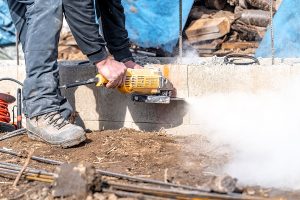
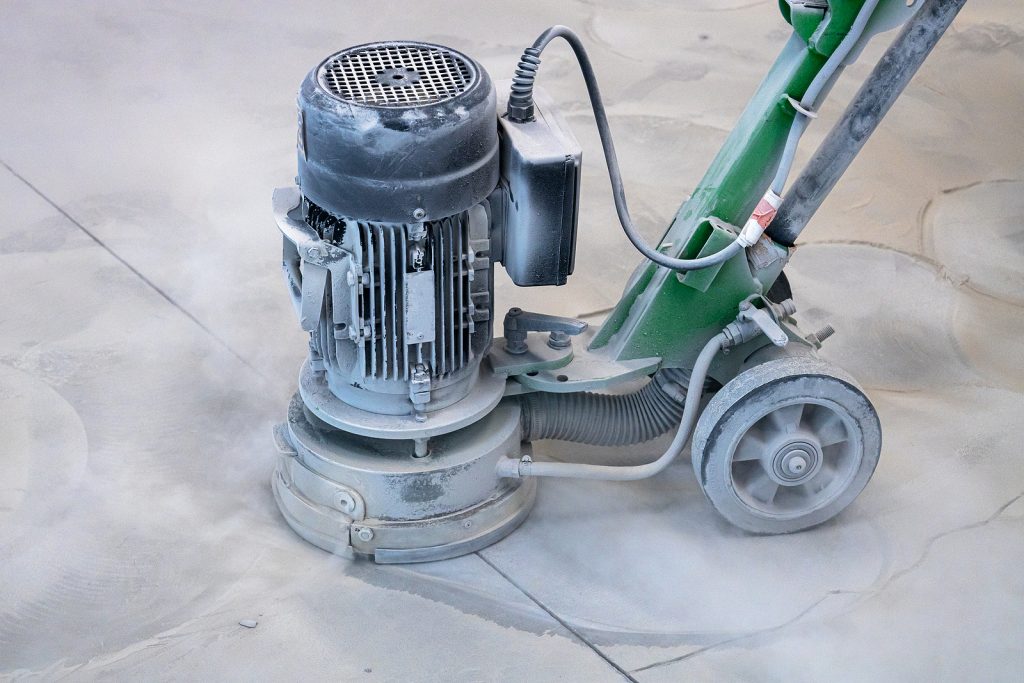
Eliminating adhesive ghosting requires more than standard glue removal. In many cases, deeper mechanical grinding is necessary to remove contaminated concrete layers and expose clean material.
Specialized tooling may be required to prevent smearing and ensure uniform removal. In some situations, chemical treatments are used to break down stubborn residues, but these must be followed by proper mechanical preparation.
The goal is to create a clean, uniform surface that will react consistently during polishing or coating.
Why Shortcuts Lead to Visible Ghosting
Skipping steps or minimizing preparation is a common cause of adhesive ghosting problems. While aggressive timelines or budget constraints may tempt shortcuts, the long-term cost is often higher.
Floors affected by ghosting may require rework, refinishing, or acceptance of a compromised appearance. In commercial environments, this can impact branding, tenant satisfaction, and perceived quality.
Proper removal of glue residue in concrete floors is an investment in both performance and aesthetics.
The Importance of Professional Assessment
Not all slabs respond the same way to adhesive removal. The type of adhesive, age of the slab, and environmental conditions all influence how residue behaves.
Professional contractors assess these variables before recommending a preparation strategy. This expertise ensures that adhesive ghosting is addressed proactively rather than discovered after finishing is complete.
At Custom Concrete Prep & Polish, adhesive removal and surface preparation are approached with precision to avoid costly surprises.
Prevent Ghosting Before It Becomes a Problem
Adhesive ghosting is one of the most common reasons polished concrete floors fail to meet expectations. Hidden glue residue in concrete floors can undermine even the best finishing systems if not properly addressed.
If your project involves flooring removal and concrete finishing, proper evaluation and preparation are essential. Schedule a consultation and learn how professional glue removal and surface prep can protect your concrete floors and deliver clean, consistent results from the start.