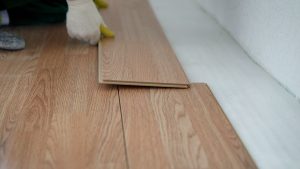
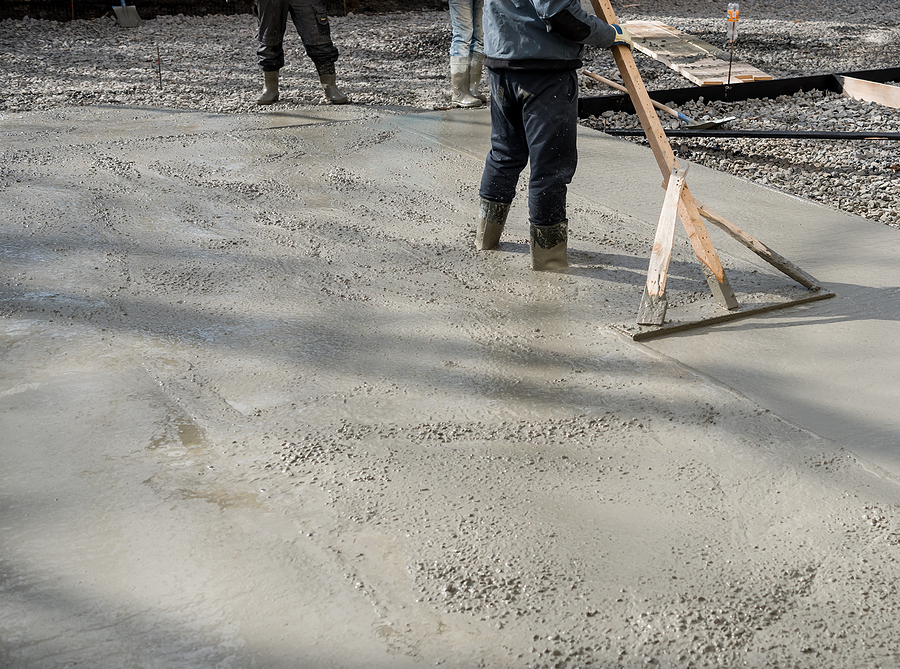
Can floor protection paper leave stains or stripes in concrete? Yes. The wrong paper, non-breathable tape, plastic-backed protection, wrinkles, or overlapping seams can restrict moisture loss unevenly and create dark or light areas, or straight lines that follow the pattern of the covering.
In our experience, floor protection is part of the finishing job when the slab will be exposed, stained, sealed, or polished. Even if a product resists scratches, it can still cause issues if it prevents a young slab from drying uniformly.
Why Can Floor Protection Paper Leave Stripes in Concrete?
Floor protection can leave stripes when covered and uncovered areas of the slab dry or hydrate at different rates. Protection paper, seams, tape, wrinkles, and overlaps may trap moisture longer than the exposed concrete.
The National Ready Mixed Concrete Association says uneven curing can cause color variation because it affects cement hydration. It also mentions that inconsistent contact with sheet materials may cause the slab to have different colors across its surface.
When stripped away, the pattern can look like bands, rectangles, blotches, or parallel stripes aligned with the paper.
Is the Floor Protection Paper Always to Blame?
No. Protection paper is not always the culprit. Variation in concrete color can also result from finishing methods, curing conditions, batch variations, weather exposure, moisture transfer, spills, and jobsite contamination.
The key is to look at the pattern and know the slab’s history rather than assuming every dark mark resulted from the paper.
Custom Concrete Prep & Polish takes this common-sense approach to every project through its concrete flooring and surface preparation services. Our goal is to inspect the slab, understand how it was placed and protected, and determine what needs to happen next.
Why Does Breathable Floor Protection Matter?
Breathable protection matters because newly placed concrete will typically continue giving off moisture as it cures and dries. A floor covering that lets vapor escape evenly is less likely to cause cure lines than a material that isn’t permeable or was sealed inconsistently.
However, that does not mean every product labeled builder’s paper is suitable for freshly poured concrete. Directions should explicitly recommend the product for use on curing concrete or the finished floor associated with the project.
Can Tape Create Straight Lines in Concrete Floors?
Yes, tape can create straight lines when it traps vapor, compresses the paper, adds adhesive to the floor, or is applied directly to a surface that isn’t ready for tape. Standard seam tape might dry faster or slower than the breathable protection surrounding it.
Manufacturers make breathable seam tape designed to allow moisture and vapor to escape. On its website, the company mentions using this tape with compatible protection can prevent cure lines and blotchy appearances.
Best practice is to tape protective sheets together rather than apply tape directly to concrete unless the product manufacturer explicitly states the installer can skip the middle step.
Will Stains or Stripes Disappear from Concrete?
Some discoloration will fade over time as moisture levels inside the slab even out, but other marks may stay visible or become more obvious after polishing. The results will vary depending on whether the mark is from temporary moisture, uneven curing, transferred product, contaminants, or true color variation within the concrete.
According to Federal Highway Administration guidance, darker areas may develop where the concrete retains more original moisture and lighten inconsistently as the slab dries.
Polishing does not make the floor one solid color. It refines what’s already there, so curing conditions, finishing techniques, repairs, and exposed aggregate can still be visible. Learn more from Custom Concrete Prep & Polish through its article about the levels of polished concrete.
What Should You Do If Paper Lines Appear in Concrete?
First, stop and don’t randomly try acid, coatings, or spot grinding to remove the lines. Too much elbow grease or the wrong chemicals can make the floor look worse and create more repair challenges.
Floor evaluation should consider the slab’s age, curing process, protection products used, tape seam locations, exposure time, moisture conditions, and how the floor is intended to be finished. You may need to prepare a test area before recommending work on the entire floor.
Depending on the slab, options include further drying, surface preparation, grinding and polishing, applying a grind-and-seal system, decorative stains, microtopping, or coating the concrete. Some marks can be lessened. Others may need to stay as part of the concrete’s natural beauty or be covered by another flooring system.
Should You Moisture Test Concrete with Floor Protection Paper on It?
Yes, you should perform floor moisture testing before installing coatings, adhesives, or flooring that excess moisture could affect. Concrete can appear dry but still retain significant moisture deep inside the slab.
Custom Concrete Prep & Polish mentions that in-slab relative humidity testing can help you understand what’s happening below the surface before selecting a finish. You can read about RH testing as part of concrete moisture mitigation from their guide.
When RH test results exceed the flooring system’s limits, you may need moisture mitigation. The best approach will depend on the concrete slab, test results, product requirements, and how the space will be used.
How Can Contractors Prevent Concrete Cure Lines?
Communication can help contractors reduce the chances of papering over the problem by working with the concrete finisher, polishing contractor, general contractor, and product manufacturer before flooring paper goes down.
Other tips for preventing striping include:
- Installing floor protection when the slab is ready for that specific product
- Applying breathable, non-staining floor protection approved for use on curing concrete
- Utilizing compatible breathable seam tape
- Keeping seams flat and avoiding unnecessary overlaps
- Not using direct-to-concrete tape unless approved by the manufacturer
- Cleaning spills and debris that becomes trapped underneath promptly
- Inspecting the floor covering during construction
Someone should also take responsibility for maintaining the protection after it’s installed. Doors getting slammed, parking debris, tracked-in water, and damaged paper can all cause problems after the original installation even when the paper itself was suitable for the job.
Can Floor Protection Paper Create Stains or Stripes in Fresh Concrete?
Floor protection paper can cause stains or stripes when a floor covering system doesn’t allow concrete to dry uniformly or when incompatible tape, plastic, debris, or spills get trapped on the surface.
The stains aren’t always permanent, but you should decorate concrete or attempt spot grinding only after knowing what lies underneath. Have a contractor evaluate the floor before applying chemicals or removing only the affected areas.
Concerned about cure lines or discoloration on a new concrete floor? Contact Custom Concrete Prep & Polish to review the conditions, discuss your options, and determine the best preparation method and finishing system for your project.