
Surface Contaminants That Ruin Polishing Results
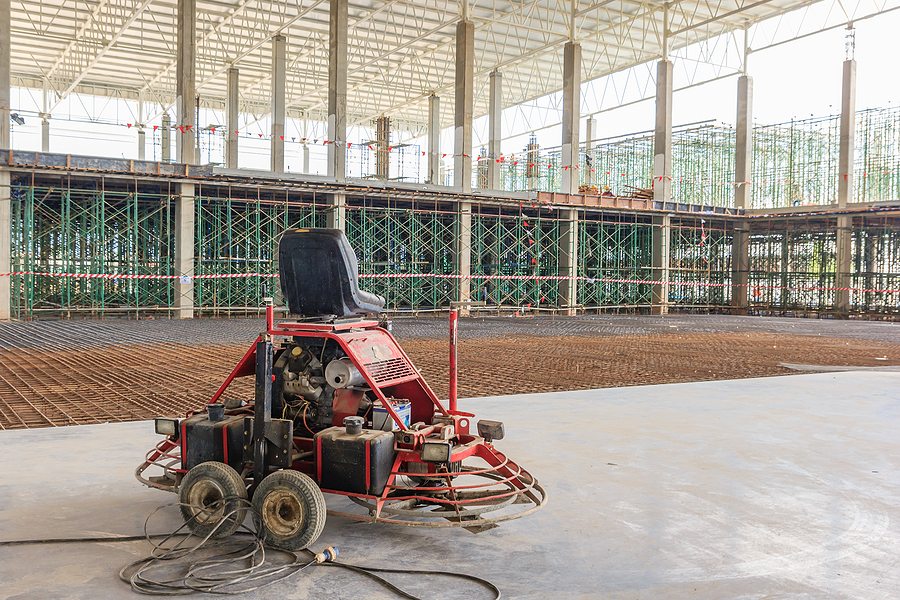
Concrete polishing is often viewed as a straightforward process: grind, densify, polish, and protect. In reality, the success of a polished concrete floor depends heavily on what is happening at the surface before polishing ever begins. Surface contaminants are one of the most common reasons polishing projects fail to meet expectations, even when high-quality equipment […]
Adhesive Ghosting After Concrete Floor Glue Removal
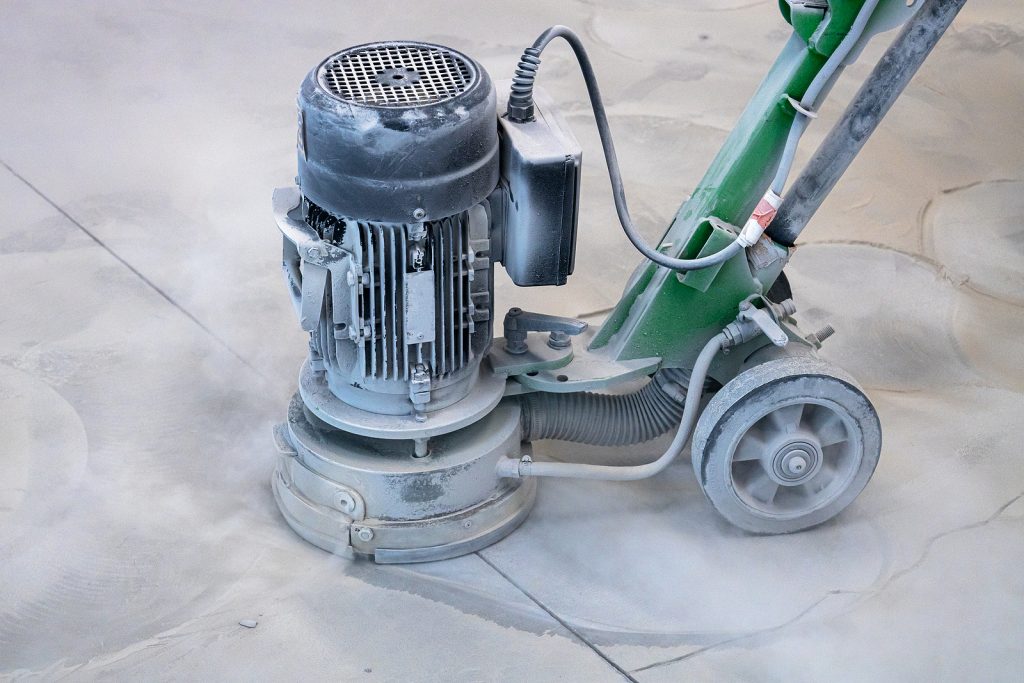
Removing old flooring is often the first step toward restoring or polishing a concrete slab. However, many property owners are surprised when dark shadows, stains, or blotchy patterns remain even after the glue is gone. This issue is known as adhesive ghosting, and it is one of the most common and frustrating challenges encountered after […]
The Role Of RH Testing In Concrete Moisture Mitigation
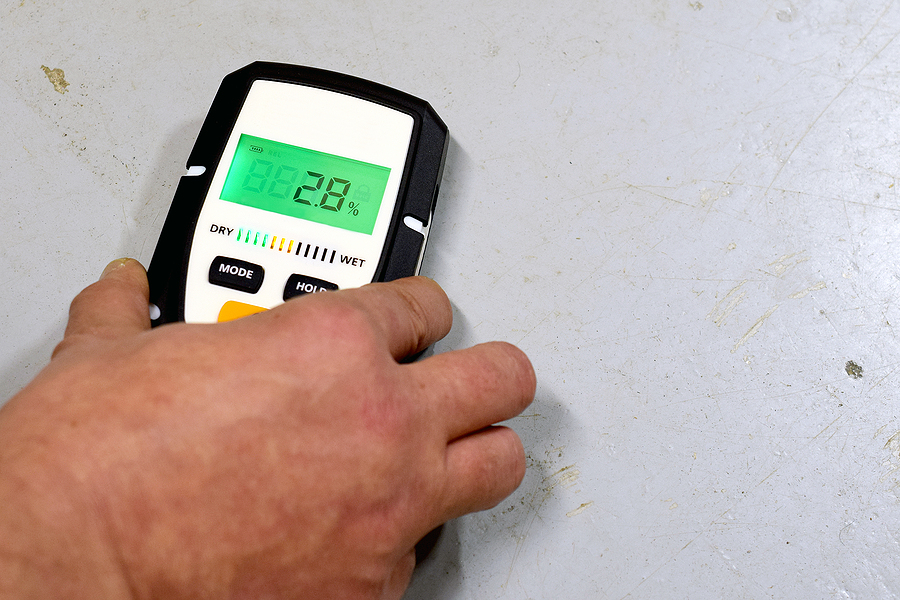
Moisture is one of those concrete problems that can sit quietly for weeks… and then show up all at once as peeling coatings, bubbling epoxy, whitening (blushing), dark spots under sealers, or flooring adhesives that just won’t stay put. The frustrating part is that the slab can look dry on the surface and still be […]
Slip-Resistant Architectural Toppings for Public Buildings

In a public building, the floor isn’t just a design choice. It’s part of the safety plan. People hustle. They track in rain and snow. Someone spills a drink. A custodian mops. A stroller or wheelchair rolls through. If the surface is too smooth, things can go sideways fast. That’s where slip-resistant architectural toppings come […]
Outdoor Use Cases for Concrete Floor Micro Toppings
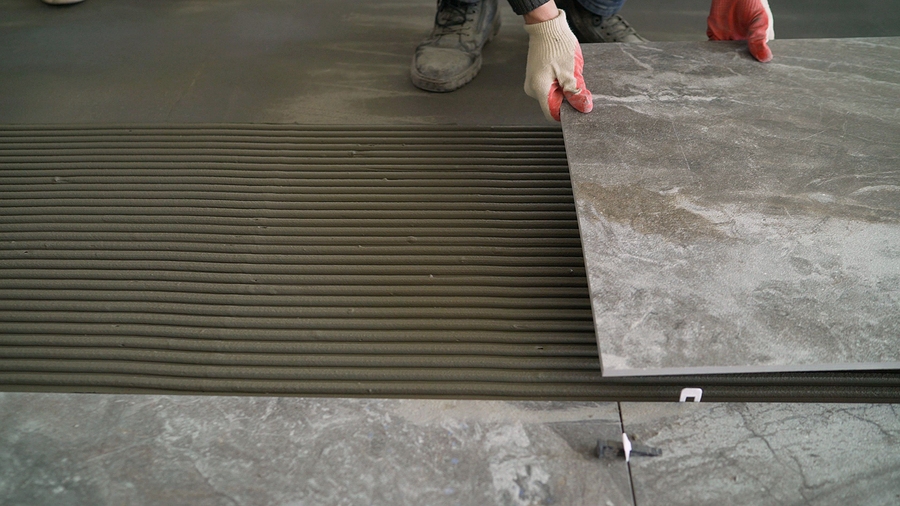
If you’ve ever looked at a weathered patio or a driveway that’s seen one too many Colorado winters and thought, “Do we really have to tear all this out?”, you’re asking the right question. In a lot of cases, you don’t. Concrete micro toppings are one of the most practical ways to refresh outdoor concrete […]
Fixing Uneven Tones in Custom Concrete Stains
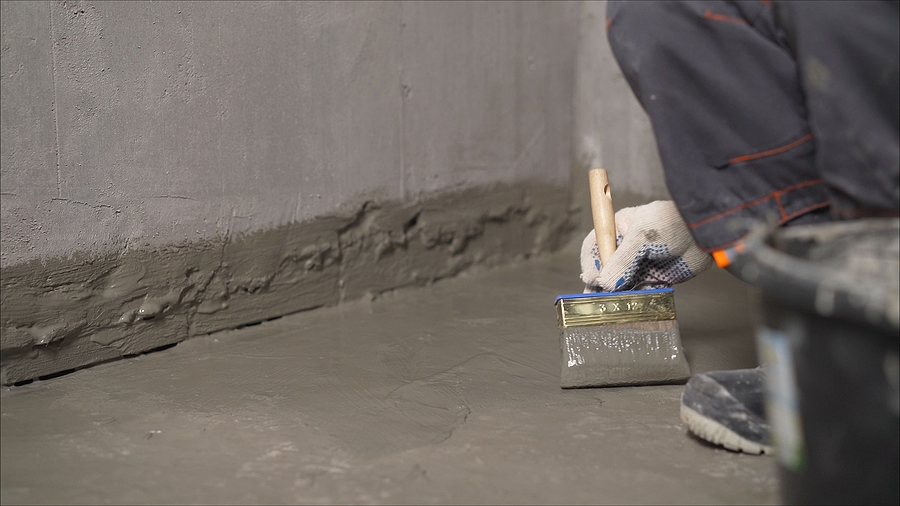
There’s nothing quite like the letdown of watching a concrete stain dry and realizing the color isn’t landing evenly. Maybe it’s blotchy. Maybe there are obvious lap marks. Maybe a few patches are way lighter than everything around them. And once a sealer goes down, those differences can get even louder. The good news is […]
Trending Styles in Decorative Epoxy Applications for Restaurants
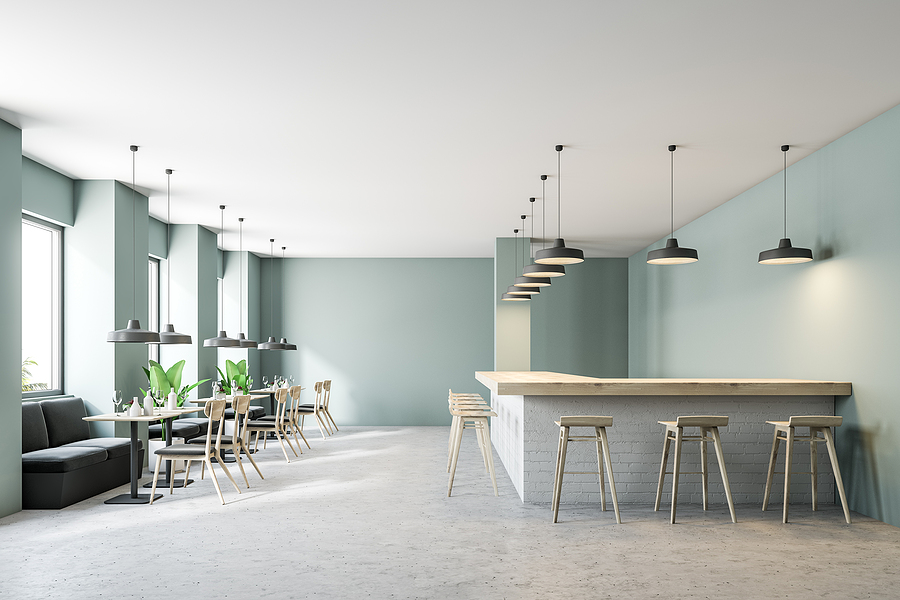
Restaurant floors have to do two jobs at once: look like part of the brand and survive daily punishment from traffic, spills, grease, chairs scraping, and constant cleaning. That’s why decorative epoxy applications for restaurants keep gaining momentum. You can get a seamless, easy-to-clean surface while still making the space feel intentional, modern, and “designed,” […]
The Best Industrial Epoxy Application Methods for Cold Storage
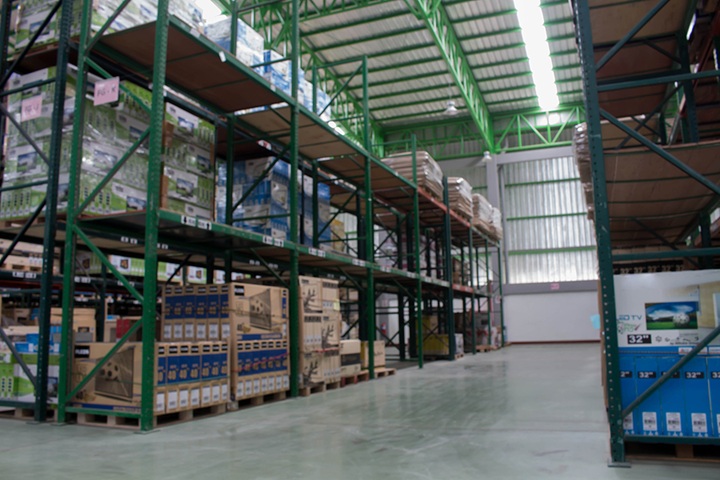
Cold storage floors are a different animal. A standard warehouse epoxy install might look perfect at 70°F and fail miserably when you put it in a cooler, freezer, or cold room that cycles through washdowns, defrost, and temperature swings. The challenge isn’t just “it’s cold.” It’s condensation risk, slower cure, thermal shock, and the fact […]
What Are the Two Most Commonly Used Types of Coatings for Concrete Floors?
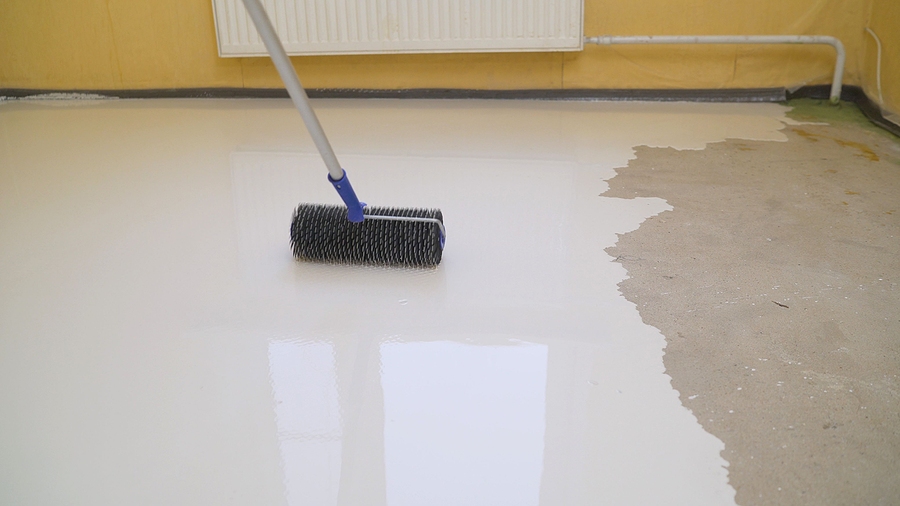
If you ask facility managers, contractors, or manufacturers which concrete floor coatings they specify the most, you’ll hear the same two answers over and over: epoxy and polyurethane (urethane). Together, these resin systems cover the majority of commercial, industrial, and even high-end residential projects because they balance durability, cost, and appearance better than most alternatives. […]
What Is the Strongest Concrete Finish?
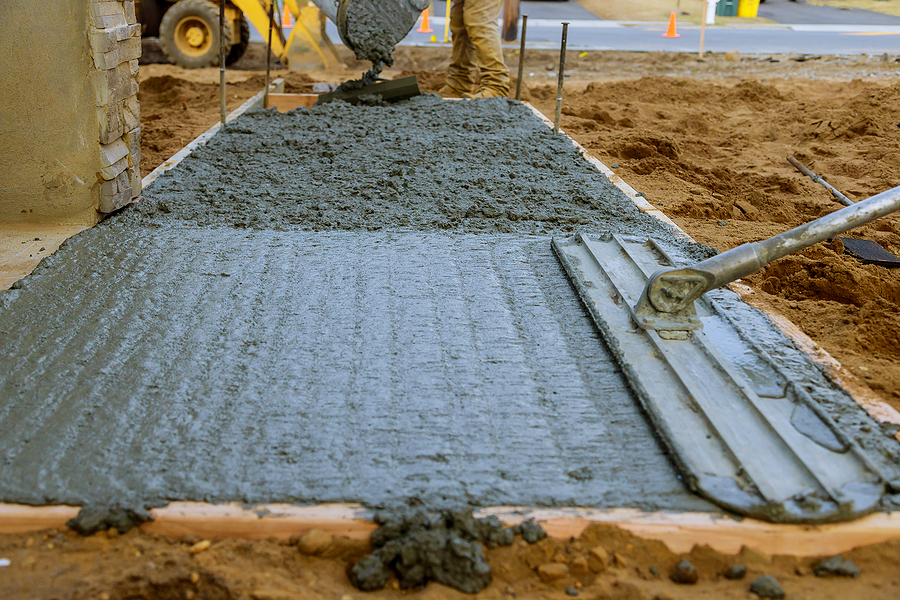
“Strongest” depends on the kind of abuse your slab faces. A finish that wins against thermal shock may not be the champ for abrasion, and vice versa. In real-world facilities, three solutions repeatedly rise to the top: urethane-cement (polyurethane-concrete) systems, built-up epoxy with a polyurethane topcoat, and hardened/polished concrete using dry-shake hardeners and densifiers. Each […]