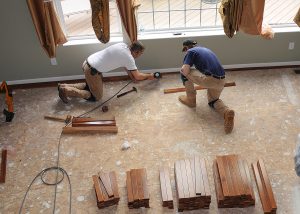
Once the installers leave you will love your new floor. Then three weeks after you notice a bubble. Maybe it’s near your counter. A month later one side of the floor begins to pop up.
This is what can happen when you install flooring on concrete that is too wet. It may not show right away. Moisture from the concrete can affect any type of finish. From coatings to adhesives to the floors on top. Not all floors will exhibit the same issues. There could be a bubble in your floor and it may not be due to moisture. It’s always important to know what is happening under your flooring.
Bubbling on Coatings
When applying coatings to concrete, it can result in pinholes or large blisters. Some floors will have coatings that just lift off easily. Others may only show one small area bubbling up and the rest of the coating looks secure.
As mentioned earlier, moisture is one possibility. It could also be caused by contaminants, poor concrete and lack of preparation prior to applying a coating. Here at Custom Concrete Prep & Polish we have seen many issues with concrete moisture prior to installing floors. Bubbling, lifting and delamination.
This type of issue can cost you more money to correct. Adding more coats to your coating will not solve your issue. You may need to remove some of your flooring and dig into why it’s happening.
Floors Not Adhering
Similar to bubbling on coatings you can have floors that don’t adhere. One corner of your floor may lift up. Or maybe a section is bubbling. With sheet goods you may notice bubbles in your flooring.
There are many reasons why your adhesive may fail. When moisture rises from below the concrete, it can bring salts with it. This can also cause your adhesive to fail and/or discolor your floor.
Like I said above it could be something else as well. The manufacturer of Forbo floors says many things can cause bubbling in your floor. From adhesive to moisture to the substrate. Once your floor starts lifting you will want to get under your floor and see what is going on.
Lifting Wood Floors
Your wood can begin to cup. You may notice that parts of your floor aren’t level anymore or they just don’t look right. Like when they were first installed. Again this can be from moisture in your concrete but also the wood and environment around you.
Another sign that can occur with coated concrete is if you see a clouding effect. Your floor may discolor or become dull and you can’t seem to clean it. Efflorescence is also something that can appear on concrete or where your coating may delaminate. All of these are signs but don’t always tell you what is causing them.
It’s important to identify the cause. Because if your concrete continues to have moisture under your floor. You may have to re-do your floor in a few months.
How Long Is Long Enough
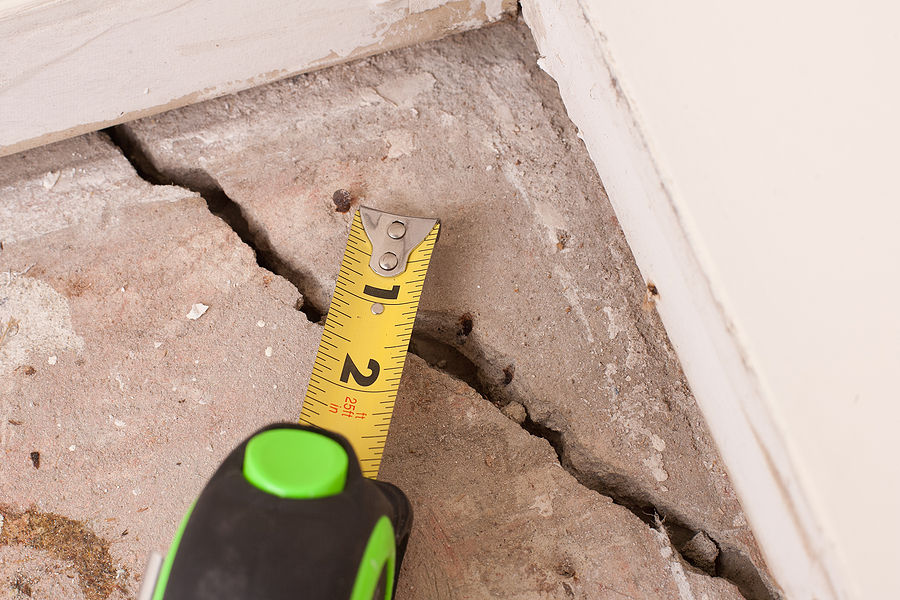
There is no magic number that tells you when your concrete is dry enough for every flooring product. New concrete can appear dry but still have moisture trapped in it. Same goes for old concrete if there is moisture getting in from somewhere.
You want to know how much moisture is in your concrete before you install a floor. Each floor, adhesive etc will have maximum amounts of moisture that they can tolerate. By using relative humidity meters we can measure the amount of moisture inside of our concrete. Using a calcium chloride test will allow us to test the moisture coming off the surface of the concrete.
Here at Custom Concrete Prep & Polish we use these methods to determine if your concrete is ready for a new floor.
Did you heat or cool the structure like normal? Were there any spots that had higher moisture levels? Have you checked for leaks or sources of moisture? These are all questions you should ask yourself before installing a floor.
Preparing Your Concrete for a New Floor
Now that we know your concrete may have too much moisture, what are your options? Well if you just poured your concrete maybe it just needs more time to dry. You could fix the source of moisture or use a moisture mitigation product that is compatible with your flooring system.
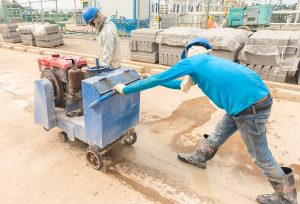
There are many other things that can prevent your new floor from adhering properly to your concrete. Old adhesives, sealers or anything that was previously on your concrete can cause problems. Make sure to prep your concrete by grinding and removing anything that may get in the way of your new floor. Just remember prep alone will not reduce your moisture numbers.
Choose your floor first and then research what that flooring will require. Make sure your concrete is tested and then prepare/mitigate as needed. It’s not the most fun part of your project, but it’s easier to do before your furniture is back.
If you have concerns about your floor failing because you covered your concrete too soon, contact Custom Concrete Prep & Polish. We can test your concrete and determine what type of prep or mitigation is needed for your new floor.