Cracks in concrete floors are one of the most common issues property owners face, whether in commercial buildings, warehouses, garages, or industrial facilities. The moment a crack appears, the first question is usually the same: Is this just cosmetic, or is it structural? And if it is structural, can it actually be repaired properly without replacing the entire slab?
One method that often comes up in serious crack repair discussions is epoxy injection. But can you use epoxy injection to fill structural cracks in concrete floors? The answer is yes, in many cases, epoxy injection is one of the most effective repair methods available for structural cracks. However, it is not a one-size-fits-all solution, and understanding when and how to use it is critical to long-term performance.
Let’s break down how epoxy injection works, when it is appropriate, and how it fits into professional concrete floor repair and preparation.
Understanding the Difference Between Structural and Non-Structural Cracks
Before discussing epoxy injection, it is important to understand what qualifies as a structural crack. Not all cracks in concrete floors indicate structural problems. Some cracks are simply surface shrinkage cracks that occur as concrete cures and settles. These are typically cosmetic and do not impact the integrity of the slab.
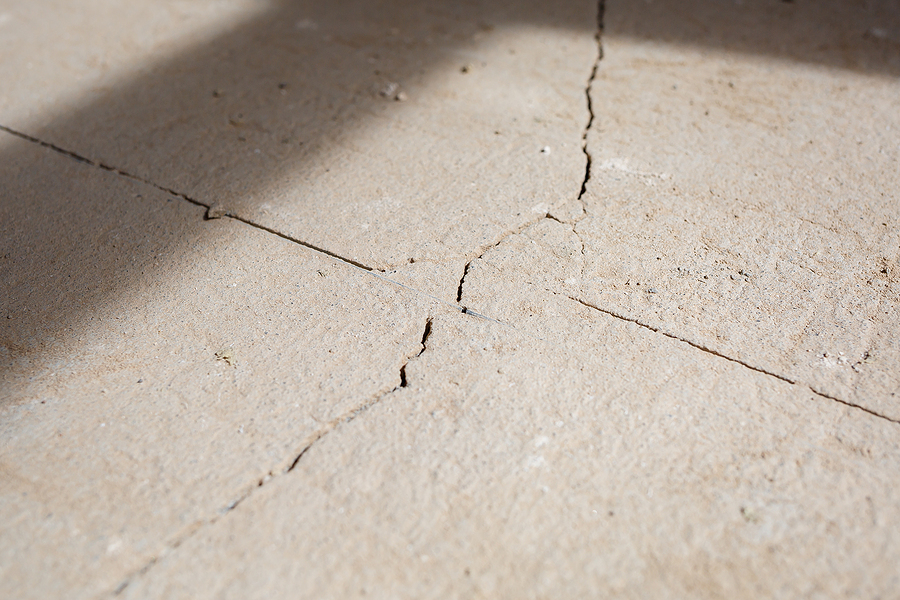
Structural cracks, on the other hand, are deeper and often extend through the slab. Settlement, heavy loads, moisture movement, or stress within the concrete can cause them. These cracks may widen over time and compromise the floor’s strength and stability if left untreated.
The key difference is movement and depth. Structural cracks often show signs of displacement, widening, or continued activity. These are the types of cracks for which epoxy injection may be considered a repair solution.
What Is Epoxy Injection and How Does It Work?
Epoxy injection is a specialized repair process that involves injecting a low-viscosity epoxy resin directly into cracks within the concrete. This epoxy penetrates deep into the crack, filling voids and bonding the fractured sections of concrete back together.
Unlike surface patching methods that only cover the top of the crack, epoxy injection addresses the internal damage within the slab. Once cured, the epoxy creates a strong bond that restores structural continuity and prevents further separation along the crack line.
This method is commonly used in commercial and industrial flooring where structural performance is critical, and slab replacement would be costly or disruptive.
Why Epoxy Injection Is Used for Structural Crack Repair
One of the main reasons epoxy injection is used is its ability to restore strength rather than conceal damage. When properly installed, the injected epoxy can create a bond that is often stronger than the original concrete in the repaired area.
This makes it particularly effective for load-bearing floors, warehouse slabs, and industrial concrete surfaces that experience heavy traffic and equipment use. Instead of allowing the crack to continue spreading, the injection process stabilizes the affected area and reinforces the slab.
It is also a precise repair method. Rather than grinding out large sections of concrete, epoxy injection targets the crack directly, minimizing disruption while still providing a structural solution.
When Epoxy Injection Is the Right Solution
Epoxy injection is most effective when the crack is structural but stable. This means the crack has formed due to past stress or settlement, but is not actively moving. In these situations, filling the crack with epoxy can successfully restore integrity and prevent further deterioration.
It is also ideal for narrow but deep cracks, as the low-viscosity epoxy can penetrate small openings that traditional repair materials cannot reach. This deep penetration allows the repair to address the slab’s internal structure rather than just the surface.
However, a proper assessment is always required before selecting epoxy injection as the repair method.
Situations Where Epoxy Injection May Not Be Recommended
While epoxy injection is highly effective, it is not suitable for every type of crack. If a crack is actively moving due to ongoing settlement, vibration, or structural shifting, a rigid epoxy repair may eventually fail. In these cases, flexible repair systems or structural stabilization may be required first.
Epoxy injection is also not intended for cracks caused by ongoing moisture issues or severe slab deterioration. If the root cause of the cracking is not addressed, the repair may not provide long-term results.
This is why professional evaluation is critical. Identifying the cause of the crack is just as important as selecting the repair method.
The Importance of Surface Preparation Before Injection
Proper surface preparation plays a major role in the success of epoxy injection. The crack must be clean, dry, and free of contaminants before the epoxy can be injected effectively. Oil, dust, moisture, or debris inside the crack can prevent proper bonding and reduce the effectiveness of the repair.
In many cases, the surface is mechanically prepared and sealed along the top of the crack to ensure the injected epoxy remains contained within the fracture. Injection ports are then installed at intervals along the crack to allow controlled distribution of the resin.
This systematic approach ensures the epoxy fully penetrates the crack rather than simply filling the top portion.
How Epoxy Injection Improves Floor Performance Before Coating or Polishing
For facilities planning to apply coatings, overlays, or polished finishes, repairing structural cracks is a critical step. Cracks that are left untreated can telegraph through coatings or decorative finishes over time, leading to visible defects and premature failure.
Epoxy injection stabilizes the slab before surface preparation and finishing begin. This creates a more uniform substrate and improves the long-term performance of coatings, overlays, and polished concrete systems.
Without proper crack repair, even high-performance flooring systems may eventually reflect underlying structural damage.
Epoxy Injection vs Surface Crack Fillers
Many property owners are tempted to use surface crack fillers as a quick solution. While these products can improve appearance, they do not provide structural reinforcement. They fill the visible gap without restoring the concrete’s internal strength.
Epoxy injection, in contrast, bonds the slab’s internal structure. This is why it is considered a structural repair method rather than a cosmetic fix. For industrial and commercial floors, this difference is significant.
Surface fillers may be appropriate for minor cosmetic cracks, but structural cracks require a more advanced repair approach.
Long-Term Durability of Epoxy Crack Repairs
When installed correctly, epoxy-injected cracks can provide long-term durability and stability. The cured epoxy resists moisture intrusion, prevents debris accumulation, and reinforces the repaired section of the slab.
This durability is especially valuable in high-traffic environments where untreated cracks could expand due to heavy equipment, thermal movement, or operational stress. By stabilizing the crack early, facility owners can prevent more extensive repairs in the future.
How Crack Width and Depth Affect Epoxy Injection Success
Not all structural cracks behave the same, and the width and depth of a crack play a major role in determining the effectiveness of epoxy injection. Hairline cracks that extend deep into the slab can be excellent candidates for injection because low-viscosity epoxy is designed to penetrate tight openings and bond the concrete’s internal structure. On the other hand, wider cracks may require a slightly different injection strategy or even supplemental repair methods depending on their condition.
Depth is especially important. A surface-level repair may appear complete, but if the crack runs deep and is not filled, the structural weakness remains beneath the surface. Professional epoxy injection focuses on full-depth penetration, ensuring the resin travels throughout the entire crack path rather than just sealing the top layer. This is achieved through controlled pressure injection and properly spaced injection ports.
Additionally, irregular cracks with branching patterns can require more time and precision. Concrete does not always crack in straight lines, and internal fissures can spread in multiple directions. A thorough injection process ensures the epoxy reaches hidden voids and reconnects fractured sections of the slab. This level of detail is what separates structural repair from cosmetic patching and significantly improves long-term floor stability.
The Role of Moisture Conditions Before Performing Epoxy Injection
Moisture is one of the most critical environmental factors when performing epoxy injection on concrete floors. If moisture is present inside the crack or within the slab, it can interfere with epoxy adhesion and curing. Since epoxy is a moisture-sensitive material, injecting it into damp or actively wet cracks can result in incomplete bonding or reduced structural effectiveness.
Before injection begins, the crack area must be evaluated for moisture intrusion. In environments such as warehouses, garages, and industrial facilities, moisture can migrate through the slab due to vapor transmission or environmental exposure. If this is not addressed first, the epoxy may not fully bond to the crack’s internal surfaces.
Professional contractors often dry the crack area and use moisture-tolerant repair strategies when necessary. In some cases, moisture mitigation steps are completed before structural crack repair to ensure long-term performance. Skipping this step can lead to future debonding or re-cracking, especially in facilities with temperature fluctuations or high humidity levels. Proper moisture control ensures the injected epoxy cures correctly and maintains its structural strength over time.
How Epoxy Injection Supports Long-Term Floor Preparation and Coating Systems
Epoxy injection is not just about repairing cracks. It is also a critical step in preparing concrete floors for future surface treatments such as coatings, overlays, or polishing. Structural cracks left untreated often telegraph through decorative finishes, even after grinding or surface preparation. This results in visible lines, coating failure, or uneven wear patterns over time.
By stabilizing the slab first, epoxy injection creates a more uniform and reliable substrate for subsequent flooring systems. This is especially important in facilities planning to install epoxy coatings, polished concrete finishes, or decorative overlays, where surface integrity directly impacts the final appearance and performance.
Another long-term benefit is load distribution. Once the crack is structurally bonded, the repaired section of concrete can better handle traffic, equipment weight, and operational stress. This reduces the likelihood of crack expansion and protects the overall investment in the flooring system.
When combined with professional surface preparation methods such as grinding and profiling, epoxy injection becomes part of a comprehensive floor restoration strategy rather than a standalone repair. This integrated approach ensures the floor is structurally sound, properly prepped, and ready to support high-performance coatings or finishes for years to come.
Why Professional Installation Matters for Structural Crack Repair
Epoxy injection is not a simple DIY process. It requires specialized equipment, precise application techniques, and a thorough understanding of concrete behavior. Incorrect injection pressure, poor preparation, or improper material selection can lead to incomplete filling or failed repairs.
Professional contractors assess crack depth, movement, and structural conditions before recommending epoxy injection. They also ensure proper containment and full penetration during injection, which is essential for restoring structural integrity.
Yes, Epoxy Injection Can Effectively Repair Structural Concrete Floor Cracks
So, can you use epoxy injection to fill structural cracks in concrete floors? Yes, and in many cases, it is one of the most effective and reliable repair methods available. When properly evaluated and professionally applied, epoxy injection restores structural strength, stabilizes the slab, and prepares the surface for long-term flooring performance.
However, success depends on accurate crack assessment, proper surface preparation, and expert application. Treating structural cracks correctly not only improves safety and durability but also protects any future coatings, overlays, or polished finishes applied to the floor.
At Custom Concrete Prep and Polish, we specialize in advanced concrete surface preparation, structural crack repair, and flooring solutions designed for long-term durability. Our team uses professional-grade epoxy injection and mechanical preparation methods to ensure concrete floors are properly stabilized before coatings, polishing, or overlays are installed.
If your concrete floor has structural cracks that need professional repair, schedule an evaluation and learn how our expert repair and preparation services can restore the strength and performance of your concrete surface.