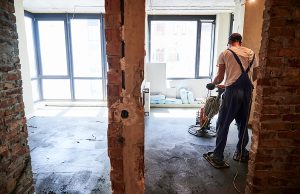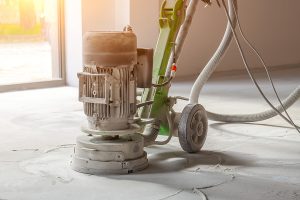
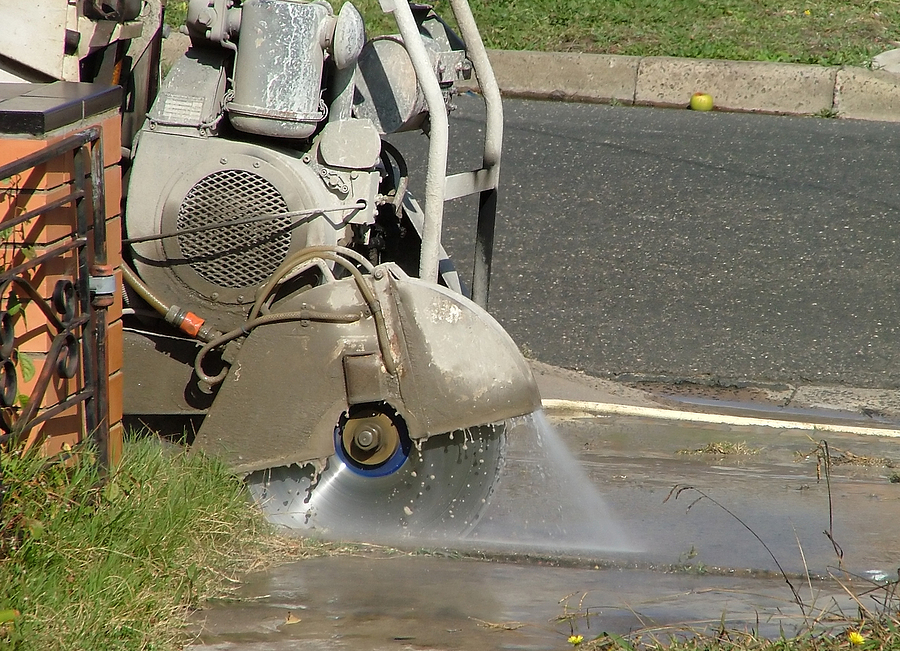
Cutting concrete sounds like a straightforward task until you actually start looking into it. Then you realize there are different tools, techniques, and safety concerns that all play a role in getting it right.
Concrete is one of the toughest materials used in construction. That is exactly why it requires the right approach to cut into it. Done correctly, you get clean lines and a professional finish. Done incorrectly, you end up with rough edges, cracks, or even structural damage.
If you are planning to cut concrete for a project, understanding the process in advance makes a big difference.
Why Concrete Cutting Requires a Specific Approach
Concrete is dense and abrasive. It is often reinforced with aggregate like gravel or stone, which adds strength but also makes cutting more challenging.
Standard saw blades will not work. Concrete requires diamond-tipped blades that are designed to grind through the material rather than slice it like wood.
There is also the issue of dust. Cutting dry concrete releases fine particles into the air, which can be harmful if inhaled. That is why many professionals rely on wet cutting methods to reduce airborne dust and keep the blade cool during use.
It is not just about getting through the material. It is about doing it cleanly, safely, and without damaging the surrounding area.
Choosing the Right Tools for the Job
The type of tool you use depends on the size and scope of the cut. Smaller projects can often be handled with handheld equipment, while larger jobs require more powerful machines.
Some of the most common tools used for cutting concrete include:
- Handheld concrete saws for smaller cuts and tight areas
- Walk-behind saws for straight cuts in driveways or slabs
- Angle grinders for detailed or shallow cuts
- Core drills for cutting precise holes through concrete
Each tool has its place, and using the wrong one can make the job harder than it needs to be. For example, trying to cut a long, straight line with a handheld saw can lead to uneven results.
The right equipment helps you work more efficiently and achieve a cleaner finish.
Planning Your Cut Before You Start
One of the biggest mistakes people make is jumping straight into cutting without proper preparation.
Before you make a single cut, you need to map out exactly where it will go. That includes measuring carefully, marking your lines clearly, and double-checking your layout.
It is also important to consider what is beneath the surface. Concrete slabs may contain reinforcement, such as rebar, or be located over utilities, such as plumbing or electrical lines.
Taking the time to plan prevents costly mistakes and helps ensure a smoother process from start to finish.
Wet Cutting vs Dry Cutting
There are two main methods for cutting concrete: wet and dry cutting. Each has its place, but they are not interchangeable.
Wet cutting uses water to cool the blade and reduce dust. It produces a cleaner cut and is generally safer for larger or more intensive jobs.
Dry cutting does not use water and is often used for smaller, quick cuts where setting up water flow is not practical. It does, however, create significantly more dust and requires proper protective equipment.
Most professional jobs rely on wet cutting whenever possible. It keeps the work area cleaner and helps extend the blade’s life.
Safety Should Never Be Overlooked
Concrete cutting is not something to take lightly. The combination of powerful tools, flying debris, and dust creates real safety risks.
Proper protective equipment is essential:
- Safety glasses or goggles to protect your eyes
- A dust mask or respirator to prevent inhalation
- Hearing protection due to loud equipment
- Gloves and sturdy footwear for overall protection
Even with the right equipment, it is important to stay focused and work carefully. Rushing through a cut is one of the quickest ways to make a mistake or cause injury.
Getting a Clean, Professional Finish
The difference between a rough cut and a clean one often comes down to technique.
Steady pressure is key. Pushing too hard can cause the blade to bind or create uneven edges. Letting the tool do the work results in a smoother finish.
It also helps to make shallow passes rather than trying to cut all the way through at once. This approach gives you more control and reduces stress on both the blade and the concrete.
Clean cuts are not just about appearance. They also help prevent cracking and ensure the structural integrity of the remaining concrete.
When Cutting Concrete Becomes Complicated
Some projects go beyond simple cuts. Thick slabs, reinforced concrete, or large-scale work can quickly become difficult without the right experience and equipment.
In these cases, cutting concrete is less about DIY and more about precision. Mistakes can lead to uneven surfaces, damage to surrounding areas, or costly repairs.
That is often where professional services come in. With the right tools and expertise, they can handle complex cuts efficiently and safely.
The Bottom Line
Cutting concrete is a task that requires the right combination of tools, planning, and technique. It is not something you want to approach without understanding what is involved.
For smaller projects, it may be manageable with the right preparation. For larger or more complex work, professional help can make a significant difference in both the quality of the results and the overall experience.
Taking the time to do it right from the beginning saves time, money, and frustration in the long run.
If you need precise, clean concrete cutting for your project, Custom Concrete Prep & Polish has the experience and equipment to get it done right. Reach out today to discuss your project and get expert results you can count on.