
If you’re planning a new driveway, parking area, or outdoor surface, you’ve probably asked the same question most homeowners run into: Should you go with asphalt or concrete?
At a glance, they seem pretty similar. Both create smooth, durable surfaces. Both are used for driveways, roads, and walkways. But once you understand how they’re made and how they perform over time, the differences become much clearer.
Choosing between asphalt and concrete isn’t just about looks. It affects cost, maintenance, lifespan, and how well the surface holds up in your environment.
Let’s break it down in a way that actually makes sense.
Simple Difference Between Asphalt and Concrete
Here’s the easiest way to understand it:
- Asphalt is flexible and made with a petroleum-based binder
- Concrete is rigid and made from cement, water, and aggregates
Asphalt tends to be darker, softer, and quicker to install. Concrete is lighter in color, stronger under pressure, and built to last longer.
That’s the quick version. Now let’s dig into the details.
What Is Asphalt?
Asphalt is made by combining aggregates like sand and stone with a petroleum-based binder called bitumen. When heated, it softens and becomes workable, allowing it to be spread and compacted into place. As it cools, it hardens into the smooth surface you see on roads and driveways.
One of asphalt’s biggest advantages is flexibility. It can expand and contract with temperature changes, which helps reduce cracking in certain climates. That’s one reason it’s so commonly used for roads and residential driveways.
However, that same flexibility also means it’s more vulnerable to wear over time. Sunlight, water, and regular use can gradually break it down, which is why maintenance plays a bigger role with asphalt.
What Is Concrete?
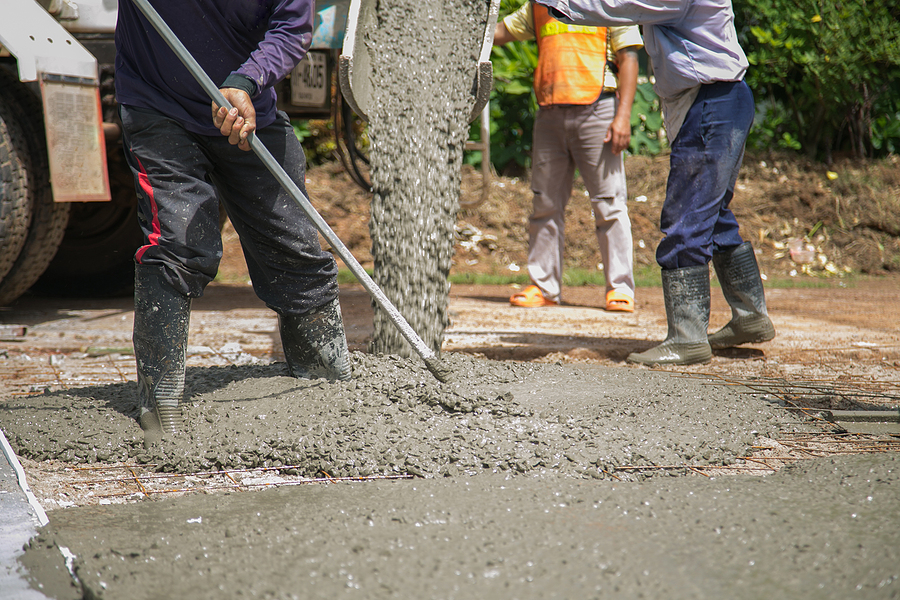
Concrete is made from a mixture of cement, water, sand, and gravel or crushed stone. When combined, these materials form a paste that hardens into a strong, durable surface.
Unlike asphalt, concrete is rigid. Once it cures, it doesn’t flex much, which gives it excellent strength under heavy loads. That’s why it’s used not just for driveways, but also for foundations, sidewalks, and commercial applications.
Concrete also stands out for its versatility. It can be finished in different ways to create a range of looks, from smooth and modern to textured or decorative. This makes it a popular choice for homeowners who care about both performance and appearance.
Appearance: First Impressions Matter
Appearance is one of the most noticeable differences between asphalt and concrete.
Asphalt has a dark, uniform look. It’s clean and simple, but there’s not much room for customization. Over time, it can fade to a lighter gray as it’s exposed to sunlight.
Concrete starts as a light gray surface, but it offers far more design flexibility. It can be stamped, stained, polished, or textured to match your home’s style. Whether you want something sleek or something that mimics natural materials like stone, concrete gives you more options.
If curb appeal is important, concrete tends to stand out.
Installation Time: How Fast Can You Use It?
Asphalt is known for its quick installation and fast turnaround. In many cases, it can be installed and ready for use within a couple of days. That makes it a good option if timing is a concern.
Concrete takes more patience. While you can usually walk on it within 24 to 48 hours, it takes about a week before it’s ready for vehicles and up to 28 days to fully cure.
That longer timeline can feel like a drawback, but it’s part of what gives concrete its long-term strength and durability.
Durability and Lifespan
When it comes to longevity, concrete generally has the advantage.
A properly installed concrete surface can last 30 years or more with minimal issues. Asphalt typically lasts closer to 15 to 20 years, depending on how it’s used and maintained.
Concrete’s rigid structure makes it more resistant to heavy loads and long-term wear. Asphalt, while flexible, tends to break down faster over time, especially when exposed to sunlight and moisture.
That doesn’t mean asphalt is a poor choice. It just means you should expect a shorter lifespan and plan for more maintenance along the way.
Maintenance Requirements
Maintenance is where the differences become more noticeable over time.
Asphalt requires regular sealing to protect it from moisture, UV exposure, and general wear. Without this upkeep, it can develop cracks, potholes, and surface deterioration.
Concrete is generally lower maintenance. It doesn’t need to be sealed as often, and it’s less prone to developing potholes. However, it can still crack if the ground shifts or if it wasn’t installed correctly.
Cleaning is another factor. Concrete’s lighter color can make stains more visible, while asphalt tends to hide them better. Each material has its trade-offs depending on your priorities.
Cost: Upfront vs Long-Term Value
Asphalt is usually more affordable upfront, which makes it appealing for larger areas or budget-conscious projects.
Concrete costs more initially, but it often delivers better long-term value. Because it lasts longer and requires less frequent maintenance, it can be more cost-effective over time.
When comparing the two, it’s important to consider more than the initial price. Consider how long you want the surface to last and how much you’re willing to spend on upkeep.
Weather Performance
Weather plays a major role in how asphalt and concrete perform.
Asphalt handles cold temperatures well because of its flexibility. It can expand and contract without cracking as easily, which makes it a popular choice in colder regions.
In hot weather, however, asphalt can soften and become more prone to damage. It can also fade over time due to sun exposure.
Concrete performs better in heat. It reflects sunlight instead of absorbing it, which helps keep surfaces cooler. But in colder climates, it can be more prone to cracking if it isn’t properly installed with control joints and reinforcement.
The best choice often depends on your local climate.
Repairs: What Happens When Something Goes Wrong?
No material is completely maintenance-free, so it’s worth considering how repairs are handled.
Asphalt is generally easier and less expensive to repair. Cracks and small damaged areas can often be patched quickly, and repairs tend to blend in with the surrounding surface.
Concrete repairs can be more noticeable. Matching the original color and texture isn’t always easy, which can affect the overall look. However, concrete typically requires fewer repairs over its lifespan than asphalt.
Where Asphalt Is Commonly Used
- Residential driveways where budget and speed matter
- Roads and highways are due to their flexibility
- Large parking lots where cost efficiency is important
Where Concrete Is Commonly Used
Concrete shows up in a wider range of applications, especially where strength and longevity matter. You’ll see it used in residential driveways, sidewalks, patios, and foundations. It’s also common in commercial spaces where heavy loads and long-term durability are required.
Because it can be finished in different ways, concrete is also popular for decorative surfaces that need to look as good as they perform.
Environmental Considerations
Both materials come with environmental trade-offs.
Asphalt is made from petroleum products, but it’s highly recyclable. Old asphalt can be reused in new pavement, which helps reduce waste.
Concrete production involves cement, which requires significant energy to produce. However, concrete’s longer lifespan can help offset some of that impact over time.
There are also more sustainable options available today for both materials, including recycled aggregates and improved production methods.
Which Is Better for Florida Homes?
If you’re in Florida or a similar climate, the asphalt vs. concrete decision shifts a bit. Heat, humidity, heavy rain, and occasional storms all play a role in how these materials perform over time.
Asphalt tends to absorb heat, which can cause it to soften during long stretches of high temperatures. That can lead to surface wear, tire marks, and faster breakdown if it’s not properly maintained. Frequent rain can also accelerate deterioration if water gets into small cracks.
Concrete generally handles heat better. It reflects sunlight instead of absorbing it, which helps it stay cooler and maintain its structure. When installed correctly with proper drainage, it also performs well in wet conditions. That’s why many Florida homeowners lean toward concrete for driveways and patios.
That said, installation quality matters more than anything. A poorly installed concrete driveway will fail just as quickly as a neglected asphalt one. The right prep work, base, and finishing process make all the difference in long-term performance.
How Each Material Handles Heavy Traffic
Not all surfaces are used the same way. A standard residential driveway has very different demands compared to a commercial space or an area with frequent heavy vehicles.
Concrete is known for its strength under pressure. It handles heavy loads well, making it a strong choice for driveways that see trucks, RVs, or frequent traffic. Its rigid structure helps distribute weight evenly, reducing the risk of ruts or depressions forming over time.
Asphalt, on the other hand, is more flexible. While that can be beneficial in some situations, it also means it’s more likely to develop ruts or indentations under constant weight, especially in warmer temperatures. Over time, repeated traffic can cause visible wear patterns.
If your surface will see heavier use or consistent traffic, concrete usually offers better long-term performance with fewer issues.
Long-Term Appearance: What to Expect Over Time
Both asphalt and concrete change in appearance as they age, and it’s worth considering up front.
Asphalt starts out with a deep black finish, but it gradually fades to a lighter gray as it’s exposed to sunlight and the elements. It can also develop a slightly rougher texture over time, especially if it isn’t sealed regularly. While sealing can restore some of its original look, it’s an ongoing maintenance step.
Concrete ages differently. It tends to hold its color better, especially if it’s sealed and maintained. However, it can develop minor surface imperfections, such as hairline cracks or slight discoloration, in high-traffic areas. These changes are usually subtle but can become more noticeable over many years.
For homeowners who care about long-term curb appeal, concrete often holds up better visually, especially when decorative finishes or polishing are part of the original installation.
Resale Value and Curb Appeal Impact
If you’re thinking long-term, it’s worth considering how your choice affects resale value and overall curb appeal. The surface you install isn’t just functional—it’s one of the first things people see when they pull up to your property.
Concrete tends to have a stronger impact here. Its clean, finished look and ability to be customized with stamping, staining, or polishing can make a home feel more updated and well-maintained. Even a standard concrete driveway often looks brighter and more permanent, which can subtly influence how buyers perceive the property.
Asphalt is more neutral in this category. It gets the job done and looks clean when it’s freshly installed or sealed, but it doesn’t typically add the same visual appeal. Over time, fading and patchwork repairs can make it look a bit worn unless it’s regularly maintained.
That doesn’t mean asphalt hurts resale value; it just doesn’t usually elevate it. If you’re planning to stay in your home for years, either option can work. But if resale or first impressions are part of your decision, concrete often gives you a bit more of an edge.
Which One Is Better for Your Project?
There’s no one-size-fits-all answer here.
If you want a lower upfront cost and a faster installation, asphalt might be the better fit. If you’re looking for something that lasts longer and offers more design flexibility, concrete is often the stronger choice.
It really comes down to your priorities, your budget, and how you plan to use the space.
What’s the Difference Between Asphalt and Concrete?
So, what’s the difference between asphalt and concrete?
Asphalt is flexible, faster to install, and more affordable upfront, but it requires more maintenance and has a shorter lifespan. Concrete is stronger, longer-lasting, and more versatile in appearance, though it takes longer to cure and costs more initially.
Understanding these differences helps you make a smarter decision and avoid surprises down the line.
If you’re planning a new surface and want it done right, working with experienced professionals makes all the difference. Contact us to learn more about expert concrete preparation, polishing, and finishing services designed to last.