Concrete floors are known for being tough, low-maintenance, and long-lasting. That’s a big reason they’ve become so popular in homes, garages, basements, and even retail spaces. But “low maintenance” doesn’t mean “no maintenance.”
If you want your concrete floors to keep looking clean and performing well over time, they need the right kind of care. The good news is, cleaning concrete isn’t complicated once you understand what you’re working with.
This guide walks you through everything you need to know, from basic upkeep to tackling tougher stains, so your concrete floors stay in great shape.
Why Concrete Floors Need Regular Cleaning
Concrete might look solid and dense, but it’s actually a porous material. That means it can absorb dirt, moisture, oils, and stains if it’s not properly maintained.
Over time, this buildup can lead to discoloration, odors, and even surface damage. Dust and debris can also act like sandpaper, slowly wearing down the surface with everyday foot traffic.
Regular cleaning does more than improve appearance. It helps protect the surface, extend the floor’s lifespan, and keep it safe to walk on.
Understanding Your Type of Concrete Floor
Before you start cleaning, it’s important to know what kind of concrete you’re dealing with. Not all concrete floors are the same, and the cleaning approach can vary depending on the finish.
Common Types of Concrete Floors
- Sealed concrete with a protective coating
- Polished concrete with a smooth, glossy finish
- Unsealed concrete that’s more porous and absorbent
- Stained or decorative concrete with added color or texture
Each type responds differently to moisture and cleaning products. Using the wrong method can dull the finish or even cause damage, so it’s worth taking a moment to identify what you have.
Basic Cleaning Routine for Concrete Floors
For most spaces, a simple routine goes a long way.
Start by removing loose dirt and debris. A broom, dust mop, or vacuum works well for this step. Keeping the surface free of grit helps prevent scratches and wear.
Next, use a damp mop with a mild cleaning solution. You don’t need anything harsh. In fact, strong chemicals can do more harm than good, especially on sealed or polished floors.
After mopping, allow the floor to air dry or wipe it down with a clean, dry mop to prevent streaks.
This basic process is enough for regular upkeep in most homes.
Best Cleaning Solutions to Use
Choosing the right cleaner is important. Concrete doesn’t need aggressive chemicals for everyday cleaning, and in many cases, gentler solutions are better.
Safe Options for Routine Cleaning
- Warm water with a small amount of mild dish soap
- pH-neutral floor cleaners designed for concrete
- Diluted vinegar solution for light stain removal (on unsealed concrete only)
Avoid acidic or highly alkaline cleaners unless you’re dealing with a specific issue. These can break down sealers or damage the surface over time.
For sealed or polished concrete, stick with products specifically designed for those finishes.
How to Clean Different Types of Concrete Floors
Not all concrete floors should be cleaned the same way. Adjusting your approach based on the finish helps protect the surface and maintain its appearance.
Sealed Concrete
Sealed concrete is easier to clean because it has a protective layer. Stick to gentle cleaners and avoid anything abrasive. Regular mopping and occasional resealing will keep it looking good.
Polished Concrete
Polished floors require a bit more care to maintain their shine. Use a microfiber mop and a pH-neutral cleaner. Avoid anything that could dull the surface, like harsh chemicals or rough scrub brushes.
Unsealed Concrete
Unsealed concrete is more absorbent, so spills and stains can soak in quickly. Cleaning may require a bit more effort, especially for deeper stains. Avoid using too much water, as it can penetrate the surface.
Decorative or Stained Concrete
These floors should be treated similarly to sealed concrete. Gentle cleaning helps preserve the color and finish.
Removing Common Stains from Concrete
Even with regular cleaning, stains happen. The key is knowing how to handle them without damaging the surface.
Oil and Grease Stains
These are common in garages and driveways. Start by blotting up excess oil, then apply a degreaser or a paste made from baking soda and water. Let it sit, scrub lightly, and rinse.
Rust Stains
Rust can be more stubborn. Specialized rust removers designed for concrete are usually the best option. Avoid using acidic cleaners on sealed surfaces unless they’re specifically approved.
Food and Beverage Stains
For indoor floors, mild soap and water usually do the trick. For tougher stains, a gentle cleaner or baking soda paste can help lift discoloration.
Mold and Mildew
In damp areas, mold and mildew can develop. A mixture of water and a mild cleaner or a diluted bleach solution can help, but be cautious with bleach on decorative surfaces.
Indoor vs Outdoor Concrete Cleaning
Cleaning concrete indoors is usually more controlled. You’re dealing with dust, spills, and everyday wear.
Outdoor concrete is a different story. It’s exposed to weather, dirt, algae, and heavier staining.
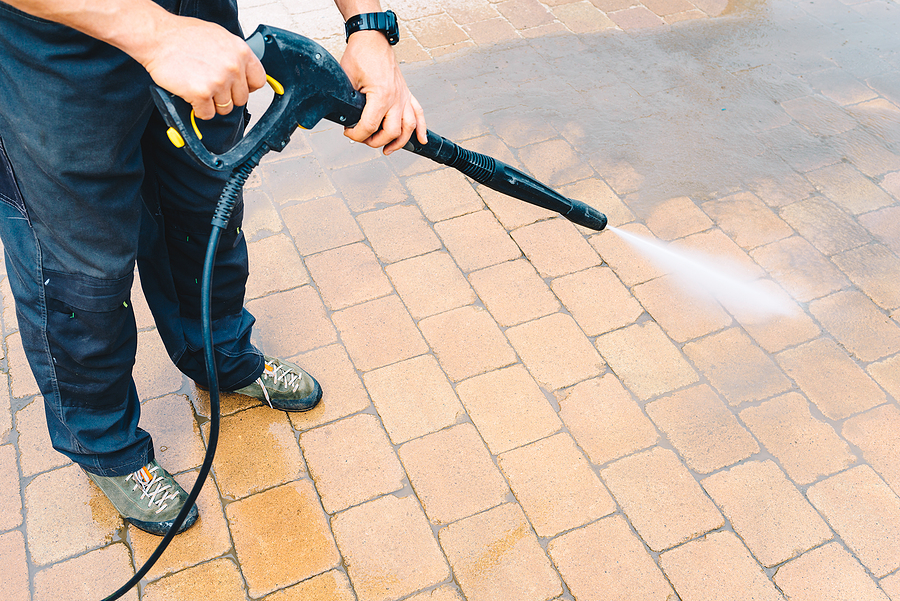
For outdoor surfaces, you may need stronger cleaning methods, including pressure washing. Just be careful not to use too much pressure, especially on older or damaged concrete, as it can erode the surface.
How Often Should You Clean Concrete Floors?
Frequency depends on how the space is used.
High-traffic areas like kitchens, garages, or commercial spaces may need weekly cleaning. Lower-traffic areas can often be cleaned less frequently.
A good rule of thumb is to sweep or dust regularly and mop as needed. Staying consistent prevents buildup and makes deeper cleaning less necessary.
Do You Need to Seal Concrete Floors?
Sealing is one of the best ways to protect concrete floors and make cleaning easier.
A sealer creates a barrier that helps prevent stains, reduces moisture absorption, and makes routine cleaning more effective. It also enhances the appearance of the floor, especially for decorative or polished surfaces.
Most concrete floors benefit from resealing every few years, depending on use and exposure.
Can You Use a Pressure Washer on Concrete Floors?
Pressure washing can be a great tool for cleaning concrete, but it’s not always the right solution, especially for indoor floors.
For outdoor concrete like patios, driveways, and garage slabs, a pressure washer can remove built-up dirt, algae, and grime much more effectively than mopping. It’s especially useful for surfaces that haven’t been cleaned in a while or are exposed to the elements year-round.
That said, pressure needs to be controlled. Too much force can damage the surface, especially if the concrete is older, unsealed, or already showing signs of wear. It can also strip away sealers, leaving the surface more vulnerable to future staining.
For indoor concrete floors, pressure washing is rarely recommended. Excess water can seep into the material, leading to moisture issues or even damage beneath the surface. In most cases, a mop and proper cleaning solution are the safer choice indoors.
How to Prevent Stains Before They Happen
Cleaning is important, but prevention makes things much easier over time. Concrete’s porous nature means it can absorb spills quickly, so stopping stains before they set in is one of the best things you can do.
Start by sealing your concrete if it isn’t already protected. A quality sealer creates a barrier that prevents liquids from soaking in, making cleanup much easier.
In high-use areas like garages or kitchens, it also helps to be proactive. Clean up spills as soon as they happen, especially oil, grease, or acidic substances. Using mats or rugs in areas with heavy foot traffic can also reduce wear and keep dirt from being ground into the surface.
Simple habits like these go a long way in keeping your floors looking clean without constant deep cleaning.
The Best Tools for Cleaning Concrete Floors
Having the right tools can make cleaning faster and more effective without adding extra effort.
A soft-bristle broom or dust mop is ideal for removing loose dirt without scratching the surface. For mopping, microfiber mops work especially well because they pick up fine dust and don’t leave excess water behind.
For tougher jobs, a soft scrub brush can help lift stains without damaging the concrete. Wet/dry vacuums are also useful, particularly in garages or basements where water cleanup is needed.
It’s best to avoid anything too abrasive, like wire brushes or harsh scrubbing pads. These can wear down the surface or damage sealers, especially on polished or decorative concrete.
How Cleaning Changes with Polished Concrete Floors
Polished concrete floors require a slightly different approach compared to standard or unsealed surfaces. The goal isn’t just to clean, it’s to maintain the shine and smooth finish.
Dust control becomes more important with polished concrete. Fine particles can dull the surface over time, so regular dust mopping helps preserve that polished look. Using a pH-neutral cleaner is also key, as harsh chemicals can reduce the floor’s gloss.
Another thing to keep in mind is moisture. While polished concrete is less porous than unsealed concrete, it still benefits from controlled cleaning. Using too much water can leave streaks or affect the finish.
Over time, polished floors may need professional re-polishing to restore their original appearance. With proper care, though, they can maintain their look for years with minimal effort.
How to Deal with Efflorescence on Concrete Floors
If you’ve ever noticed a white, powdery residue forming on your concrete floor, you’re looking at something called efflorescence. It’s a common issue, especially in basements, garages, and areas where moisture is present.
Efflorescence occurs when water moves through concrete, bringing salts to the surface. Once the water evaporates, those salts are left behind, creating that chalky white appearance. It’s not usually a structural problem, but it can make floors look dirty or uneven.
The first step in dealing with it is dry removal. A stiff broom or vacuum can often handle light buildup. For more stubborn cases, a damp mop with a mild cleaner can help lift the residue. There are also specialized efflorescence cleaners available if the problem keeps coming back.
That said, cleaning only addresses the symptom. The real solution is managing moisture. Improving drainage, sealing the concrete, or addressing humidity issues in the space can help prevent efflorescence from returning.
It’s one of those issues that looks worse than it is, but handling it properly keeps your floors looking clean and well-maintained.
Common Mistakes to Avoid
Cleaning concrete is straightforward, but a few common mistakes can cause problems over time.
Using harsh chemicals can damage the surface or strip away sealers. Letting spills sit too long increases the risk of staining. Using too much water, especially on unsealed concrete, can lead to absorption issues.
Another mistake is skipping regular maintenance. Waiting too long between cleanings makes it harder to remove buildup and can shorten the floor’s lifespan.
When to Call a Professional
Sometimes, basic cleaning isn’t enough.
If your concrete floors have deep stains, significant wear, or damage, it may be time to bring in professionals. Services like deep cleaning, grinding, polishing, or resealing can restore the surface and extend its lifespan.
Professional care is especially helpful for large areas, commercial spaces, or decorative concrete that needs a more refined finish.
Long-Term Care for Concrete Floors
Keeping concrete floors in good condition comes down to consistency.
Regular cleaning, prompt attention to spills, and proper sealing go a long way. Using the right products and avoiding harsh treatments helps preserve the surface over time.
With the right care, concrete floors can stay durable and attractive for years, even in high-traffic environments.
Your Complete Guide to Cleaning Concrete Floors
Concrete floors are one of the most durable and practical flooring options available, but they still need proper care to look their best.
Understanding how to clean them, what products to use, and how to handle stains makes a big difference in long-term performance. It doesn’t matter whether you’re maintaining a garage floor or a polished interior surface; the right approach keeps things simple and effective.
If your floors need more than routine cleaning, working with professionals can help restore and protect your investment. Contact the team at Custom Concrete Prep and Polish to learn more about expert concrete cleaning, preparation, and polishing services designed to keep your floors looking their best.