Paint on concrete can be frustrating. Whether it’s leftover from an old project, accidental spills, or a surface that just didn’t turn out the way you expected, removing paint from concrete isn’t always as simple as scrubbing it away.
Concrete is porous, which means paint can soak in and bond below the surface. That’s why some stains seem impossible to remove with basic cleaning. The good news is there are several proven methods that work, you just need to use the right one for your situation.
This guide walks you through everything you need to know, from light cleanup to tougher, more stubborn paint removal.
Why Paint Is So Hard to Remove from Concrete
Before jumping into removal methods, it helps to understand why paint sticks so well in the first place.
Concrete isn’t a smooth, sealed surface unless it’s been treated. It’s full of tiny pores and imperfections that allow liquids to soak in. When paint is applied, or spilled, it doesn’t just sit on top. It penetrates those pores and hardens inside them.
That’s why simply washing the surface often isn’t enough. To fully remove paint, you need to either break the bond, lift it out of the pores, or remove a thin layer of the concrete surface itself.
Start with the Basics: Surface Cleaning
Before using stronger methods, always start with a simple cleaning. Sometimes what looks like a deep paint stain is actually sitting closer to the surface than you think.
Sweep or vacuum the area to remove loose debris. Then scrub the surface with warm water and a mild detergent using a stiff-bristle brush. This helps remove dirt and any loose or flaking paint.
Rinse thoroughly and let the surface dry. If the paint remains, which it often will, you’ll need to move on to more targeted solutions.
Identify the Type of Paint
Not all paints behave the same way, and knowing what you’re dealing with can help you choose the most effective removal method.
Water-based paints, like latex, are generally easier to remove. Oil-based paints are more durable and tend to bond more strongly with concrete, which makes them harder to break down.
If you’re not sure what type of paint you’re dealing with, you can test a small area using a mild solvent. If it softens quickly, it’s likely water-based. If not, it may require a stronger approach.
Using Paint Strippers: The Most Effective Method
For most situations, a chemical paint stripper is the most reliable way to remove paint from concrete.
Paint strippers work by breaking down the paint so it can be scraped or washed away. They’re especially useful for larger areas or thicker coatings.
Apply the stripper according to the product instructions, making sure the surface is clean and dry beforehand. Let it sit for the recommended amount of time so it can penetrate the paint. Once the paint begins to lift, use a scraper or stiff brush to remove it.
Afterward, rinse the area thoroughly to remove any residue.
There are different types of strippers available, including eco-friendly options that are less harsh but may take longer to work. Choosing the right product depends on the size of the job and the type of paint you’re removing.
Pressure Washing for Outdoor Surfaces
For outdoor concrete, pressure washing can be an effective way to remove paint, especially when combined with other methods.
High-pressure water can break up and lift paint from the surface, particularly if it’s already starting to peel or loosen. It works best on large, open areas like driveways, patios, and sidewalks.
However, pressure washing alone may not fully remove deeply embedded paint. It’s often used in combination with chemical strippers or cleaning solutions for better results.
It’s also important to use the correct pressure setting. Too much force can damage the concrete surface, especially if it’s older or already worn.
Grinding and Sanding for Stubborn Paint
When paint has deeply penetrated the concrete, mechanical removal may be necessary.
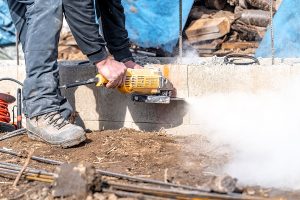
Grinding or sanding removes a thin layer of the concrete surface along with the paint. This method is highly effective but more aggressive than others, so it’s usually reserved for tougher jobs.
Floor grinders and sanders are commonly used for this process. They can quickly remove paint and leave the surface ready for refinishing.
Because this method alters the surface, it’s often followed by sealing, polishing, or applying a new finish. It’s also more commonly used in larger projects or when preparing concrete for a new coating.
Using a Wire Brush or Scraper
For smaller areas or light paint buildup, manual tools can still be effective.
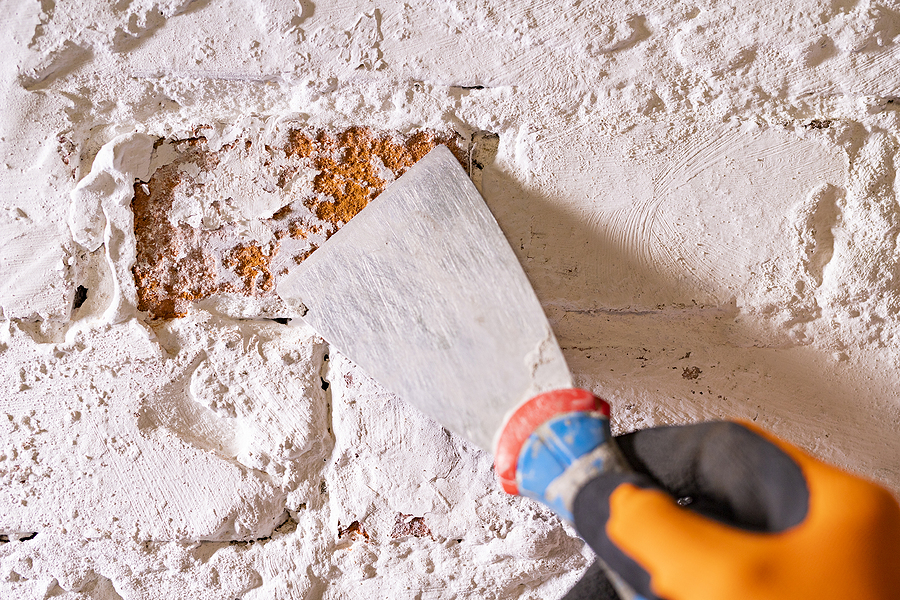
A wire brush or scraper can help remove paint that’s sitting on or near the surface. This method requires more effort, but it’s useful for spot treatments or detailed areas where larger tools aren’t practical.
Be careful not to damage the surface, especially if the concrete is already worn or finished. Gentle, consistent pressure is usually more effective than aggressive scraping.
Heat-Based Paint Removal
Heat can also be used to loosen paint from concrete, although it’s less common than other methods.
Using a heat gun softens the paint, making it easier to scrape away. This method works best for small areas and thicker paint layers.
It’s important to use caution with heat, especially around flammable materials or in enclosed spaces. Proper ventilation and safety precautions are essential.
Removing Paint from Indoor Concrete Floors
Indoor concrete requires a slightly different approach.
Because you can’t rely on pressure washing and need to manage ventilation, chemical strippers and mechanical methods are usually the go-to options.
Start with a stripper designed for indoor use, preferably one with low odor. Apply it carefully and follow all safety instructions. Once the paint has lifted, remove it with a scraper or brush and clean the area thoroughly.
For polished or decorative concrete, extra care is needed to avoid damaging the finish. In some cases, professional help may be the best option.
Cleaning Up After Paint Removal
Once the paint is gone, the job isn’t quite finished.
You’ll need to clean the surface to remove any leftover residue from strippers, dust from grinding, or loosened paint particles. A thorough rinse followed by a mild cleaning solution usually does the trick.
Allow the concrete to dry completely before moving on to sealing or refinishing.
Should You Seal the Concrete Afterward?
After removing paint, sealing the concrete is often a smart next step.
A sealer helps protect the surface from future stains and makes cleaning easier. It also gives the concrete a more finished appearance.
Depending on your goals, you can choose from different types of sealers, including matte, satin, or glossy finishes. For decorative surfaces, sealing can enhance color and texture.
How to Remove Paint Overspray from Concrete
Paint overspray is a little different from a full spill or coating. It usually shows up as a light mist or speckled layer on the surface, often from nearby painting projects. The good news is that it’s typically easier to remove, if you act early.
For fresh overspray, start with a simple approach. Warm, soapy water and a stiff brush can often lift the paint before it fully bonds with the concrete. If that doesn’t work, a light-duty paint remover or graffiti remover can help break it down without being overly aggressive.
For older overspray that’s had time to set, you may need to step things up slightly. A pressure washer (for outdoor surfaces) or a mild chemical stripper can usually take care of it. In some cases, a light sanding or grinding pass may be needed for a completely clean finish.
The key with overspray is acting quickly. The longer it sits, the more it settles into the pores of the concrete, making removal more time-consuming.
How Different Surfaces Affect Paint Removal
Not all concrete surfaces behave the same way when it comes to paint removal. The condition and finish of the concrete can make a big difference in how easy, or difficult, the process is.
Smooth, sealed concrete is usually the easiest to work with. Because the surface is protected, paint tends to sit on top rather than soaking in deeply. This means chemical strippers or even pressure washing can be very effective.
Rough or unsealed concrete is more challenging. The pores are open, allowing paint to penetrate deeper into the surface. In these cases, removal often requires a combination of methods, such as chemical treatment followed by mechanical removal.
Decorative or stamped concrete requires extra care. Aggressive methods like grinding can damage the texture or finish, so it’s important to use gentler techniques and test a small area first.
Understanding the surface you’re working with helps you choose the right method and avoid unnecessary damage.
Preparing Concrete for a New Coating or Finish
Once the paint is removed, many people plan to apply a new coating, stain, or finish. Proper preparation at this stage is just as important as the removal process itself.
The surface needs to be completely clean and free of residue. Any leftover paint, stripper, or dust can interfere with adhesion and cause the new finish to fail prematurely. A thorough cleaning followed by a full drying period is essential.
In some cases, additional surface prep may be needed. This could include light grinding or etching to create a profile that allows the new coating to bond properly. Skipping this step can lead to peeling or uneven results later on.
Taking the time to prep correctly ensures that whatever comes next, whether it’s paint, stain, or polish, looks better and lasts longer.
Safety Tips When Removing Paint from Concrete
Paint removal can involve chemicals, dust, and equipment, so it’s important to take safety seriously from the start. Even smaller jobs can expose you to fumes or debris if you’re not careful.
Ventilation is one of the biggest factors, especially for indoor projects. If you’re using a chemical stripper or solvent, make sure the area is well-ventilated by opening windows and using fans when possible. Wearing basic protective gear like gloves and eye protection is also a smart move, even for lighter cleaning solutions.
If you’re grinding or sanding, dust becomes the main concern. Concrete dust can be harmful if inhaled, so using a mask or respirator and keeping the area contained is important. Many professionals also use dust-control systems to minimize airborne particles.
It’s also worth being cautious with older surfaces. In some cases, older paint may contain lead, which requires specialized handling and removal methods. If you suspect that could be the case, it’s best to stop and consult a professional before moving forward.
Taking a few extra precautions helps protect you, your space, and the quality of the final result.
Common Mistakes to Avoid
Removing paint from concrete can be straightforward, but a few common mistakes can make the process harder than it needs to be.
Using the wrong method for the type of paint can lead to wasted time and effort. Skipping surface prep can prevent removal products from working effectively. Applying too much pressure or using overly aggressive tools can damage the concrete.
Another common issue is not allowing enough time for chemical strippers to work. Patience is key when breaking down paint.
When to Call a Professional
Some paint removal jobs are better left to professionals.
If you’re dealing with a large area, multiple layers of paint, or a delicate surface, professional equipment and experience can make a big difference. Services like grinding, polishing, and surface prep can restore the concrete and prepare it for a new finish.
Professional help is also a good option if you want a clean, uniform result without the trial and error.
Long-Term Care After Paint Removal
Once your concrete is clean, maintaining it becomes much easier.
Regular cleaning, prompt attention to spills, and proper sealing help keep the surface in good condition. If you plan to repaint or apply a coating, proper prep ensures better adhesion and longer-lasting results.
Taking care of the surface now helps prevent future issues and keeps your concrete looking its best.
Complete Guide to Removing Paint from Concrete
Removing paint from concrete takes the right approach, but it’s completely manageable once you understand your options.
From simple cleaning and scraping to chemical treatments and grinding, each method has its place depending on the situation. The key is choosing the right one and taking your time to do it properly.
If you’re dealing with a tough paint removal project or want professional results, working with experts can save time and deliver a better finish. Contact the team at Custom Concrete Prep and Polish to learn more about concrete preparation, paint removal, and finishing services designed to restore your surfaces.