If you’re dealing with a cold storage facility, freezer room, or refrigerated warehouse, flooring is not just about appearance. It’s about durability, safety, sanitation, and long-term performance under extreme conditions. One of the most common questions we hear from facility managers and property owners is whether epoxy coatings can actually be applied in cold storage or freezer environments.
The short answer is yes, but only if the process is handled correctly. Cold environments introduce challenges that standard coating projects do not face. Temperature, moisture, surface conditions, and curing behavior all change dramatically when you are working in low-temperature spaces. If these factors are ignored, the coating can fail before it ever reaches full performance.
Let’s break down what really happens when applying epoxy in cold storage or freezer conditions, and what must be done to ensure long-lasting results.
Why Cold Storage Environments Are So Demanding on Concrete Floors
Cold storage and freezer facilities put more stress on flooring systems than standard commercial or industrial spaces. Constant temperature fluctuations, heavy equipment traffic, condensation, and thermal shock all impact the concrete slab over time.
Unlike a typical warehouse, freezer floors are exposed to subzero temperatures, moisture migration, and freeze-thaw cycles. These conditions can cause unprotected concrete to crack, deteriorate, and absorb contaminants much faster. That is why high-performance coatings like epoxy are often considered for these environments.
However, applying epoxy coatings in these spaces requires a completely different level of preparation and environmental control compared to normal ambient temperature installations.
How Temperature Affects Epoxy Coating Application
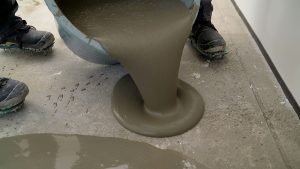
Epoxy coatings are chemical systems that rely on a curing reaction between resin and hardener. This reaction is heavily temperature dependent. When temperatures drop, the curing process slows significantly. In extremely cold conditions, it may not cure properly at all.
If epoxy is applied to concrete that is too cold, several issues can occur. The material may become too thick to spread evenly, adhesion may be compromised, and curing time can extend far beyond manufacturer specifications. In freezer conditions, standard epoxy may remain tacky or fail to cure altogether.
This is why temperature control is one of the most critical factors when applying coatings in cold storage facilities.
The Importance of Concrete Surface Temperature, Not Just Air Temperature
One of the biggest misconceptions is that only the room temperature matters during epoxy installation. In reality, the concrete slab temperature is far more important. Concrete retains cold temperatures much longer than air, especially in freezer environments.
Even if the air temperature is temporarily raised, the slab may still be too cold for proper coating adhesion. If epoxy is applied to a cold slab, it can lead to poor bonding, bubbling, or premature delamination.
Professional coating contractors always measure both ambient temperature and slab temperature before proceeding. This ensures the surface is within the acceptable range for proper application and curing.
Can Epoxy Be Applied Directly in Freezer Conditions?
Applying standard epoxy directly inside active freezer conditions is extremely challenging and often not recommended without specialized planning. Most epoxy systems are designed to be installed within a specific temperature range, typically well above freezing.
Attempting to install epoxy while the floor is actively below freezing can lead to:
- Improper curing
- Reduced adhesion
- Surface defects
- Shortened coating lifespan
In many cases, sections of the facility must be temporarily shut down or climate-controlled to allow proper installation. While this may seem inconvenient, it is essential for long-term coating performance.
Specialized Epoxy Formulations for Cold Environments
Not all epoxy coatings are the same. Some advanced formulations are specifically engineered for lower temperature applications. These cold-curing systems are designed to perform better in refrigerated or cooler environments where traditional epoxy would struggle.
That said, even cold-temperature epoxy products still require proper surface preparation and environmental control. They are more tolerant of lower temperatures, but they are not immune to the effects of extreme cold or moisture.
Choosing the correct coating system for cold storage conditions is a critical step that should always be based on the facility’s operational temperature range and usage demands.
Surface Preparation in Cold Storage Facilities
Surface preparation is even more important in cold storage and freezer environments than in standard coating projects. Cold floors often have moisture, ice residue, and embedded contaminants that must be removed before any coating can be applied.
Mechanical grinding is typically required to open the concrete pores and remove any surface contamination. This ensures the epoxy can properly bond to the substrate rather than sitting on top of a compromised surface layer.
If moisture or frost is present in the slab, it must be addressed before installation. Applying epoxy over frozen or damp concrete almost always leads to adhesion failure.
Moisture and Condensation Challenges
Cold storage environments naturally create condensation when warm air meets cold surfaces. This moisture can settle on the concrete slab and interfere with epoxy adhesion. Even small amounts of unseen moisture can cause bubbling or coating separation.
Proper moisture testing and environmental stabilization are essential steps before applying epoxy in refrigerated or freezer spaces. In some cases, dehumidification and controlled heating are used to create suitable installation conditions.
Ignoring condensation risks is one of the fastest ways to experience coating failure in cold environments.
Scheduling Installation to Minimize Operational Disruption
Facility managers often worry about downtime when installing coatings in cold storage areas. The reality is that proper scheduling is key to a successful project. Sections can often be completed in phases, allowing operations to continue in other areas of the facility.
Working with experienced professionals ensures the installation process is planned around operational needs while still maintaining the environmental conditions required for proper epoxy curing.
Long-Term Benefits of Epoxy in Cold Storage Facilities
When installed correctly, epoxy coatings provide significant benefits in cold storage and freezer environments. They create a sealed, durable surface that resists moisture intrusion, chemical exposure, and heavy equipment wear.
This improves sanitation, reduces dust, and enhances safety by creating a more consistent and slip-resistant floor surface. Over time, a properly installed epoxy system can also reduce maintenance costs by protecting the underlying concrete from damage.
The Role of Thermal Shock and Freeze-Thaw Cycles on Epoxy Floors
One factor that is often overlooked in cold storage and freezer environments is thermal shock. Thermal shock happens when a floor is exposed to rapid temperature changes, such as when freezer doors open frequently or when warm equipment enters a cold space. These sudden shifts place significant stress on both the concrete substrate and the coating system.
Concrete naturally expands and contracts with temperature fluctuations. In a freezer or cold storage setting, this movement is more extreme due to repeated freeze-thaw cycles. If the epoxy coating system is not properly installed or designed for these conditions, it can become brittle over time. This brittleness can lead to cracking, delamination, or loss of adhesion as the slab continues to shift beneath the coating.
Proper surface preparation and the use of industrial-grade coating systems help accommodate this movement. Flexible primers, moisture-tolerant systems, and correctly profiled concrete surfaces all contribute to better long-term performance in environments where temperature swings are unavoidable. Without these precautions, even a high-quality epoxy coating may struggle to maintain its integrity under constant thermal stress.
Understanding how freeze-thaw cycles affect flooring is essential for facilities that operate 24/7 refrigeration or freezer units. A coating that performs well in normal warehouse conditions may not be suitable for a cold storage environment without additional preparation and system adjustments.
How Equipment Traffic and Heavy Loads Impact Coatings in Freezer Facilities
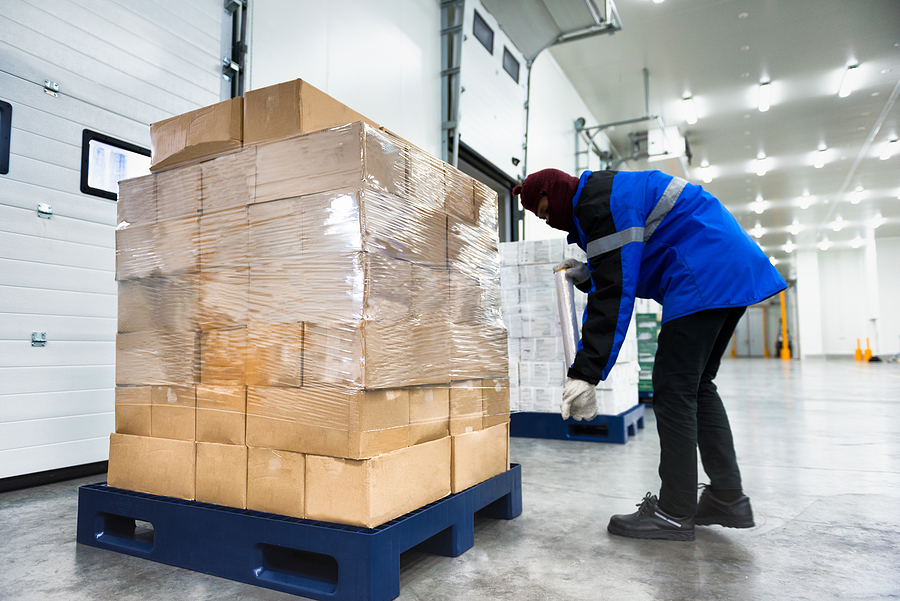
Cold storage floors are rarely exposed to light use. Forklifts, pallet jacks, and heavy equipment are constantly moving across the surface, often carrying significant loads. In freezer conditions, this traffic becomes even more demanding because cold temperatures can make some coating materials more rigid and less forgiving under impact.
When epoxy is properly installed over well-prepared concrete, it creates a strong, durable surface that can handle heavy operational demands. However, if the coating is applied incorrectly or over improperly prepared concrete, heavy equipment traffic will quickly expose weaknesses. Chips, cracks, and surface wear tend to appear faster in cold environments where the coating does not have the same flexibility as it would at warmer temperatures.
Another factor to consider is tire friction and turning points. Areas where forklifts frequently stop, turn, or pivot experience concentrated stress. In freezer environments, this stress, combined with low temperatures, can accelerate wear if the coating system is not designed for industrial use.
Professional installation takes traffic patterns into account before applying epoxy. Reinforced coating systems, thicker applications, and proper surface profiling all help ensure the floor can withstand daily operational stress without premature failure. This is especially important in logistics centers, food storage facilities, and distribution warehouses where floor durability directly impacts operational efficiency.
Maintenance Expectations for Epoxy Floors in Cold Storage Environments
Once an epoxy floor is installed in a cold storage or freezer facility, maintenance plays a key role in its long-term performance. While epoxy coatings are known for durability, extreme environments still require consistent upkeep to maximize their lifespan.
Routine cleaning is especially important because spills, ice buildup, and residue can accumulate quickly in cold spaces. A properly coated floor makes cleaning easier, but regular maintenance prevents contaminants from causing surface wear or safety hazards. Unlike untreated concrete, epoxy creates a sealed surface that resists absorption, which is a major advantage in sanitation-sensitive environments.
It is also important to periodically inspect the floor for signs of wear, particularly in high-traffic zones and loading areas. Small issues like minor surface damage or coating wear can be addressed early before they develop into larger problems that require extensive repairs.
Another maintenance consideration is joint and seam integrity. Expansion joints in freezer floors must remain functional, and coatings should be monitored to ensure they are not separating at these stress points. Addressing these areas proactively helps preserve both the coating and the underlying concrete structure.
With proper maintenance and professional installation, epoxy flooring in cold storage facilities can deliver long-lasting performance, reduced dust, improved cleanliness, and a more resilient surface capable of handling the demanding conditions of refrigerated and freezer operations.
Why Professional Installation Matters in Extreme Conditions
Applying epoxy coatings in cold storage or freezer conditions is not a standard installation process. It requires specialized knowledge, proper equipment, and a deep understanding of environmental variables.
Temperature control, moisture management, and surface preparation must all be handled with precision. Skipping any of these steps can lead to costly repairs and premature coating failure.
Experienced concrete coating professionals understand how to adapt installation methods for cold environments, ensuring the coating system performs as intended under demanding conditions.
Yes, Epoxy Can Be Applied in Cold Storage
So, can you apply epoxy coatings in cold storage or freezer conditions? Yes, but only when proper preparation, temperature management, and professional installation practices are followed. Cold environments do not make epoxy impossible, but they do make the process far more technical and detail-sensitive.
Rushing the project or ignoring environmental factors can lead to adhesion issues, curing problems, and shortened coating lifespan. On the other hand, a properly executed installation can deliver long-lasting durability and performance even in extreme cold environments.
Trust Custom Concrete Prep and Polish for Cold Storage Epoxy Installation
At Custom Concrete Prep and Polish, we specialize in advanced surface preparation and coating solutions designed for demanding environments, including cold storage and freezer facilities. Our team understands the unique challenges of low-temperature installations and uses professional-grade preparation methods to ensure maximum adhesion and long-term durability.
If you’re planning an epoxy flooring project in a refrigerated or freezer environment, contact Custom Concrete Prep and Polish to schedule a consultation and get a coating solution engineered for performance, longevity, and extreme conditions.