If you are planning to install vinyl plank flooring over concrete, one question comes up almost every time. Does the subfloor need to be flat, or just level?
At first, those two terms sound like the same thing. They are not. Understanding the difference can save you from issues that show up after installation, when fixing them becomes much more difficult.
The short answer is this. Your concrete subfloor needs to be flat. It does not necessarily need to be perfectly level. But there is more to it than that.
Flat vs Level: What Is the Difference?
Flat and level describe two different things.
A level surface is perfectly horizontal. Think of a floor that is even from one side of the room to the other with no slope.
A flat surface, on the other hand, is smooth and consistent. It can have a slight slope, but it does not have dips, high spots, or sudden elevation changes.
Vinyl plank flooring cares far more about flatness than it does about level. The planks are designed to sit on a consistent surface. If the subfloor has uneven areas, the flooring will follow those imperfections.
That is where problems begin.
Why Flatness Matters for Vinyl Plank Flooring
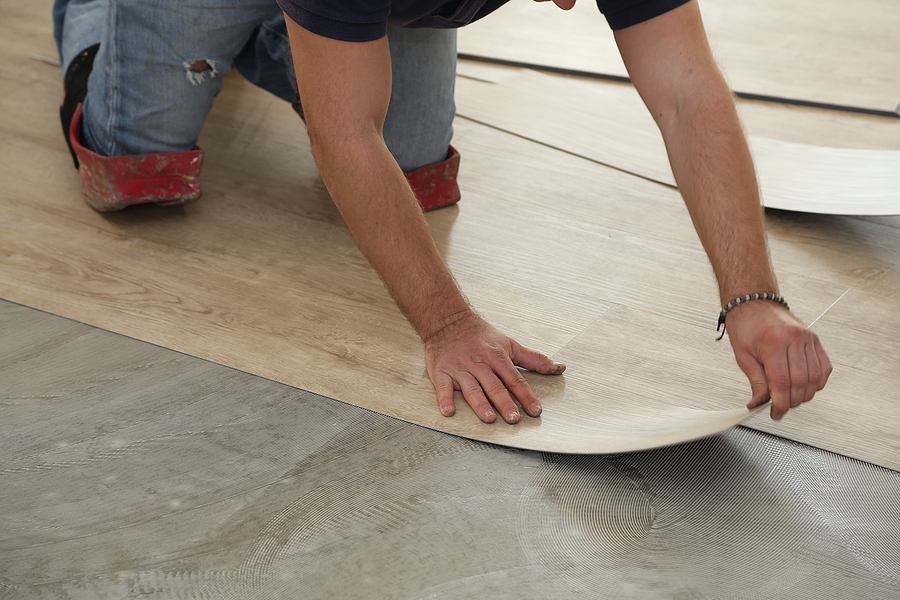
Vinyl plank flooring is more flexible than other materials. That flexibility allows it to be installed over concrete, but it also means it will conform to the surface beneath it.
If the concrete is not flat, you may start to notice issues like:
- Planks that feel soft or hollow when you walk on them
- Visible gaps between joints
- Edges that lift or separate over time
- Increased wear in uneven areas
These problems are not always obvious right away. They often show up after the floor has been in use for a while, which makes them frustrating to deal with.
A flat subfloor helps ensure the planks sit evenly, lock together properly, and hold up over time.
When Level Actually Matters
While flatness is the priority, level can still matter in certain situations.
If your floor has a noticeable slope, it may not affect the installation itself, but it can impact how the room feels. Furniture may sit unevenly, and objects can shift over time.
In areas like kitchens or bathrooms, slope can also affect how water behaves on the surface.
So while you do not need a perfectly level subfloor for vinyl plank flooring to work, extreme slopes should still be addressed for overall functionality and comfort.
How to Check Your Concrete Subfloor
Before installing any flooring, it is important to assess the condition of the concrete.
One of the simplest ways to check for flatness is by using a long straightedge or level. Place it across different areas of the floor and look for gaps or high spots.
Most manufacturers have guidelines for acceptable variation. A common standard is no more than 3/16 of an inch over a 10-foot span, though this can vary by product.
Taking the time to check thoroughly helps you identify problem areas before they become bigger issues.
Fixing Low Spots and High Spots
If your subfloor is not flat, it needs to be corrected before installation.
Low spots can be filled using a self-leveling compound. This material spreads across the surface and settles into dips, creating a smoother, more even base.
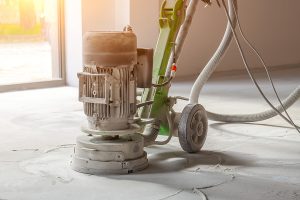
High spots are usually ground down using specialized equipment. This process removes excess material and brings the surface into alignment with the rest of the floor.
These steps require attention to detail. Overfilling or over-grinding can create new problems, which is why proper technique matters.
Moisture Is Another Factor to Consider
Flatness is not the only concern when working with concrete. Moisture can also affect the success of a vinyl plank installation.
Concrete can hold moisture for long periods, especially in basements or ground-level spaces. If that moisture is not addressed, it can lead to issues with adhesives, expansion, or long-term durability.
Testing the moisture level and using the appropriate underlayment or barrier are important parts of the preparation process.
Why Proper Prep Makes All the Difference
It is easy to focus on the flooring itself, but the subfloor is what determines how well everything performs.
A properly prepared concrete surface:
- Supports the flooring evenly
- Reduces movement and wear over time
- Helps maintain a consistent appearance
Skipping this step or rushing through it often leads to problems that require costly repairs later.
When to Bring in a Professional
Some subfloors only need minor adjustments. Others require more extensive preparation.
If you are dealing with significant unevenness, moisture concerns, or large areas, professional help can make a big difference. Proper equipment and experience allow for more accurate results and a smoother installation process.
It is often the difference between a floor that looks good for a year and one that holds up for the long term.
The Bottom Line
For vinyl plank flooring, flat is what matters most. A level floor is not always necessary, but a consistent, smooth surface is essential.
Taking the time to properly prepare your concrete subfloor helps prevent common issues such as gaps, movement, and uneven wear. It also ensures your flooring performs the way it is supposed to.
CTA
If your concrete subfloor needs preparation before installing vinyl plank flooring, Custom Concrete Prep & Polish can help. Our team ensures your surface is flat, stable, and ready for installation. Reach out today to get your project started the right way.