When people think about concrete floors, they usually focus on surface appearance, coatings, polishing, or decorative finishes. But one of the most important factors influencing how long a concrete floor lasts is something most property owners never see or consider: compressive strength.
Does the compressive strength of a concrete slab affect floor longevity? The answer is absolutely yes. In fact, compressive strength is one of the key factors determining how well a concrete floor performs over time under traffic, load, environmental exposure, and surface treatments such as coatings or polishing.
If the slab is weak, no coating, overlay, or polishing system will magically fix long-term durability issues. On the other hand, a properly engineered slab with adequate compressive strength provides the structural backbone needed for long-lasting performance.
Let’s break down what compressive strength really means, how it impacts concrete floors, and why it plays such a major role in floor longevity.
What Is Concrete Compressive Strength?
Compressive strength is the amount of load a concrete slab can withstand before it fails or cracks. It is typically measured in pounds per square inch (PSI), and different environments require different strength levels depending on how the floor will be used.
Residential slabs may have lower PSI ratings compared to industrial or commercial floors that must support forklifts, heavy machinery, or constant traffic. The higher the compressive strength, the more resistant the concrete is to crushing forces, impact, and long-term structural stress.
This does not mean stronger is always better in every situation, but it does mean that the slab must be appropriate for its intended use.
Why Compressive Strength Is Critical for Floor Longevity
Concrete floors are constantly subjected to weight, movement, and environmental changes. Over time, these factors place stress on the slab. If the compressive strength is insufficient, the concrete may crack, dust, or deteriorate much faster than expected.
A floor with adequate compressive strength resists:
- Surface wear
- Heavy load pressure
- Impact damage
- Premature cracking
- Structural fatigue
Longevity is not just about surface durability. It is about how well the entire slab holds up over the years of use. Even the best coatings or polished finishes depend on a strong substrate to perform correctly.
How Weak Concrete Slabs Lead to Premature Floor Failure
One of the most common issues in failing floors is weak concrete. When the slab’s compressive strength is too low for the environment, it begins to break down under normal operating stress.
This deterioration often shows up as surface dusting, scaling, cracking, or delamination of coatings. In industrial settings, weak slabs may also develop rutting or surface abrasion from repeated equipment traffic.
The problem is that these failures are not always caused by the coating or finish itself. Instead, they originate from the underlying concrete and lack the strength needed to support long-term use.
Once the slab begins to deteriorate, repairs become more complex and costly than they would have been with proper planning at the start.
The Relationship Between Compressive Strength and Surface Wear Resistance
Stronger concrete is generally more resistant to surface wear. In high-traffic environments such as warehouses, manufacturing facilities, and commercial spaces, floors experience constant friction from foot traffic, carts, and machinery.
Concrete with higher compressive strength tends to have a denser structure, which improves abrasion resistance. This means the surface is less likely to wear down, pit, or develop dust over time. c4d to obj online free no software 2026 conversion notes
Weaker slabs, by contrast, are more porous and prone to surface breakdown. Even with polishing or sealing, these floors may show wear patterns much sooner than higher-strength slabs.
How Compressive Strength Affects Coatings and Polished Concrete
Many people assume that coatings and polished concrete systems function independently of the slab. In reality, these systems are only as strong as the concrete beneath them.
If the slab has low compressive strength, coatings may not bond properly because the surface can crumble or deteriorate under stress. This leads to peeling, chipping, or delamination over time. Similarly, polished concrete relies on a dense, strong surface to achieve long-lasting shine and durability.
During mechanical grinding and polishing, weaker concrete may produce inconsistent results, excessive dust, or surface defects. This directly impacts both aesthetics and performance.
Professional surface preparation always includes evaluating slab strength to ensure the chosen flooring system is compatible with the concrete.
PSI Ratings and Their Impact on Different Environments
Not all concrete floors require the same compressive strength. The required PSI level depends heavily on the intended use of the space.
Light residential garages may perform well with moderate-strength slabs, while industrial facilities often require significantly higher PSI ratings to withstand heavy loads and equipment traffic. Retail spaces, warehouses, and manufacturing plants all place different demands on concrete flooring.
Using a slab with insufficient strength in a heavy-duty environment is one of the fastest ways to reduce floor lifespan. Over time, the constant stress will cause cracking, joint failure, and surface deterioration.
The Role of Mix Design in Long-Term Durability
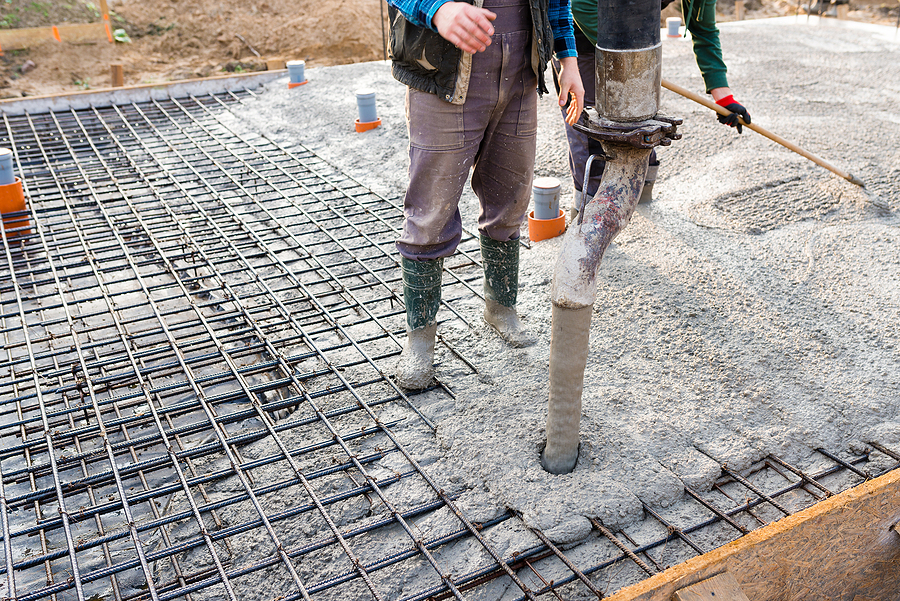
Concrete compressive strength is largely determined by its mix design. This includes the ratio of cement, aggregates, water, and additives used during the pouring process. A well-designed mix produces stronger, more durable concrete that can handle long-term structural stress.
Excess water in the mix, for example, can weaken the final slab and reduce compressive strength. Poor curing practices can also lead to weaker concrete that fails to reach its intended strength.
These factors highlight why proper installation and curing are as important as surface finishing for floor longevity.
How Curing Impacts Final Compressive Strength
Even if the mix design is correct, improper curing can significantly reduce the strength of a concrete slab. Curing allows the concrete to hydrate and develop its full structural properties over time.
If curing is rushed or inconsistent, the slab may never reach its intended compressive strength. This leads to long-term durability issues that cannot be corrected with surface treatments alone.
Proper curing ensures the slab develops the density and strength needed to support coatings, polishing, and heavy usage without premature degradation.
Moisture, Temperature, and Environmental Stress Factors
Environmental conditions also influence how compressive strength affects floor longevity. Temperature fluctuations, moisture intrusion, and freeze-thaw cycles all place additional stress on the slab.
Concrete with higher compressive strength is generally more resilient against these environmental challenges. It is less likely to crack under thermal expansion and contraction and more resistant to moisture-related deterioration.
In contrast, weaker slabs are more vulnerable to environmental damage, especially in industrial and outdoor environments where conditions are less controlled.
Can Weak Concrete Be Strengthened After Installation?
Once a slab is poured, its core compressive strength cannot be dramatically increased. However, surface treatments such as densifiers, coatings, and overlays can improve durability and performance to some extent.
Concrete densifiers, for example, react with the surface to create a harder, more abrasion-resistant layer. While this does not change the internal compressive strength, it enhances surface performance and longevity.
In cases where slabs are severely weak, more extensive repair or overlay systems may be required to restore functional durability.
How Compressive Strength Influences Crack Formation Over Time
One of the most direct ways compressive strength affects floor longevity is through its relationship with crack formation. All concrete will develop some level of cracking over time due to shrinkage, load stress, and environmental changes. However, the frequency, severity, and progression of those cracks are strongly influenced by the slab’s initial strength.
Concrete with higher compressive strength generally has a denser internal structure, which allows it to resist internal stresses and external loads more effectively. This does not mean it will never crack, but it does mean the cracks are more likely to be smaller, more controlled, and less structurally significant. In contrast, lower-strength concrete tends to crack more easily and more extensively under the same conditions.
Over time, these cracks can become pathways for moisture intrusion, contamination, and surface deterioration. Once that process begins, the floor’s lifespan is significantly reduced, especially in environments with heavy traffic or equipment use. Stronger slabs help slow this progression and maintain structural integrity longer, directly contributing to a more durable, longer-lasting floor system.
The Connection Between Compressive Strength and Joint Performance
Concrete floor joints are another area where compressive strength plays a major role in longevity. Expansion and control joints are designed to manage slab movement, but their long-term performance depends on the surrounding concrete being strong enough to support load transfer.
In slabs with lower compressive strength, joint edges are more likely to chip, spall, or break down over time. This is especially common in warehouses and industrial facilities where forklifts and heavy rolling loads repeatedly pass over the same joint lines. As the edges deteriorate, the joints widen, and the surrounding concrete becomes more vulnerable to further damage.
Higher-strength concrete provides better edge stability at joints, reducing chipping and maintaining smoother load transitions across the slab. This not only improves floor durability but also enhances safety and operational efficiency by preventing uneven surfaces and trip hazards. Over the lifespan of a floor, well-performing joints supported by strong concrete can significantly reduce maintenance needs and repair costs.
How Compressive Strength Impacts Long-Term Surface Preparation and Renovation Options
Another often overlooked factor is how slab compressive strength affects future floor upgrades such as polishing, coatings, or overlays. Stronger concrete responds better to mechanical surface preparation methods such as grinding and profiling because the surface can withstand abrasion without excessive breakdown.
When contractors grind a weak slab, the surface may powder, tear, or expose inconsistencies that make it difficult to achieve a uniform finish. This can limit the effectiveness of polishing systems, reduce coating adhesion, and complicate decorative flooring installations. In contrast, a high-strength slab produces a more consistent surface profile, allowing coatings and overlays to bond more effectively and last longer.
Additionally, stronger concrete offers more flexibility for future renovations. If a facility decides to upgrade to polished concrete, epoxy coatings, or decorative overlays years later, a durable slab will support those systems far better than a weaker substrate. This adaptability extends the floor’s usable life and makes long-term maintenance and upgrades more cost-effective, reinforcing the direct link between compressive strength and overall floor longevity.
Testing Concrete Compressive Strength Before Flooring Projects
Professional flooring and surface preparation contractors often evaluate concrete strength before applying coatings, overlays, or polishing systems. This may involve core sampling, rebound hammer testing, or other diagnostic methods to determine slab integrity.
Testing helps identify whether the existing concrete can support the intended flooring system or if additional preparation or reinforcement is needed.
Skipping this evaluation step can result in costly failures later, especially in high-performance flooring applications.
Long-Term Cost Benefits of Strong Concrete Slabs
While higher-strength concrete may involve slightly higher upfront costs during construction, it often delivers significant long-term savings. Stronger slabs require fewer repairs, experience less surface deterioration, and provide better support for coatings and finishes.
In commercial and industrial environments, this translates into reduced maintenance downtime, fewer repairs, and extended floor lifespan. Over time, the return on investment becomes clear as the floor continues to perform reliably under demanding conditions.
Yes, Compressive Strength Directly Impacts Floor Longevity
Does the compressive strength of a concrete slab affect floor longevity? Without question. It is one of the most important structural factors influencing how well a concrete floor performs over time. Stronger slabs provide better resistance to wear, cracking, environmental stress, and heavy loads, all of which contribute to a longer service life.
No surface treatment, coating, or decorative finish can fully compensate for weak concrete. Proper mix design, curing, and strength evaluation are essential for ensuring long-term durability and performance.
At Custom Concrete Prep and Polish, we understand that floor longevity starts with the condition and strength of the concrete slab. Our team specializes in professional surface preparation, grinding, polishing, and coating solutions designed to maximize durability and long-term performance.
If you are planning a flooring project and want to ensure your concrete surface is properly evaluated and prepared for maximum lifespan, schedule a consultation to get expert guidance on achieving a durable, high-performance concrete floor that lasts.