
If you’ve ever said “cement driveway” or “cement patio,” you’re not alone. Most people use the words “cement” and “concrete” as if they mean the same thing. Even contractors hear it all the time. But they’re not interchangeable, and understanding the difference can actually help you make better decisions when it comes to your home or next project.
Let’s break it down in a way that’s easy to follow and actually sticks.
The Simple Answer (Before We Go Deep)
Here’s the easiest way to understand it:
- Cement is an ingredient
- Concrete is the finished product
Think of cement like flour and concrete like cake. You wouldn’t bake with just flour, and you don’t build with just cement. Cement plays an important role, but concrete is what actually forms your driveway, patio, or foundation.
That’s the quick version. Now let’s go a little deeper.
What Is Cement?
Cement is a fine powder that acts as a binding agent. When you mix it with water, it forms a paste that can bind materials together and harden over time. It’s a critical part of construction, but it’s not something you typically use on its own.
It’s made by heating natural materials like limestone and clay to extremely high temperatures, then grinding the result into a powder. The most common type used in construction is Portland cement, which you’ll find in nearly every concrete mix.
What makes cement interesting is the chemical reaction it goes through when water is added. This reaction, called hydration, is what allows it to harden and lock everything together. Without cement, concrete wouldn’t hold its shape or develop strength.
That said, cement by itself isn’t very durable. It can crack easily and lacks the structural integrity required for most building applications. That’s why it’s almost always combined with other materials.
What Is Concrete?
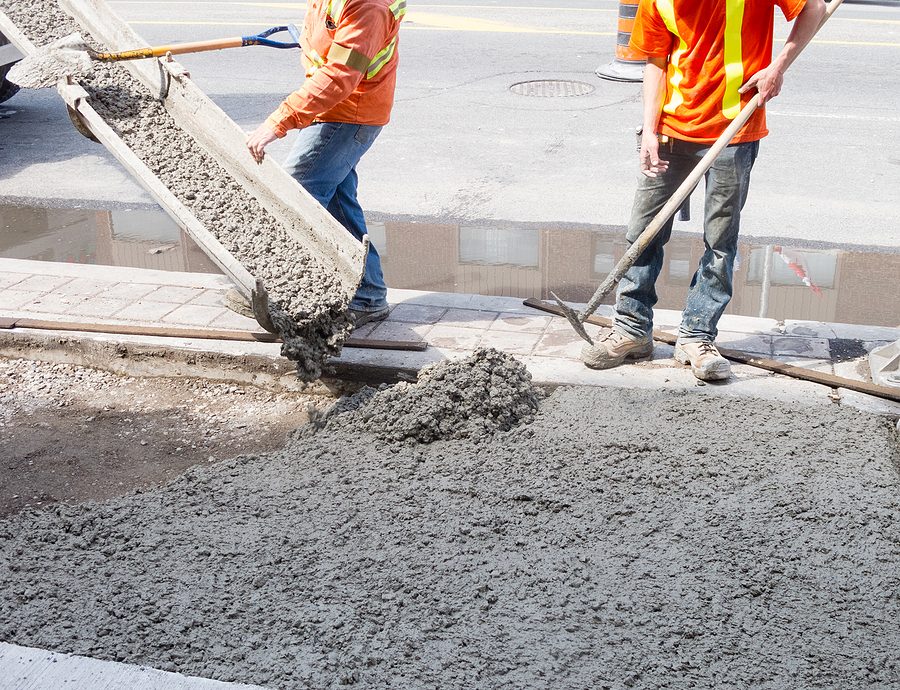
Concrete is the finished material you see everywhere. It’s what your driveway is made of. It’s what sidewalks, patios, and foundations are built from. It starts as a mixture, then hardens into a strong, rock-like surface.
Concrete is made by combining cement with water, sand, and gravel or crushed stone. Each of these components plays a role, and together they create something much stronger than any one ingredient on its own.
When mixed properly, concrete is incredibly durable and long-lasting. It can handle heavy loads, resist weather, and maintain its structure for decades. That’s why it’s used in everything from residential patios to large-scale commercial construction.
Why People Confuse Cement and Concrete
The confusion mostly comes down to habit. For years, people have used the word “cement” as a general term, even when they’re really talking about concrete.
Part of it is cultural. Part of it is convenience. And part of it is that the difference isn’t obvious unless you’ve worked with these materials before.
Even in casual conversations, saying “cement” feels natural. But in construction, the distinction matters. Using the wrong term can lead to misunderstandings, especially when ordering materials or discussing a project with a contractor.
Breaking It Down in Plain English
If you strip away the technical language, the difference is actually pretty simple.
Cement is a powder that acts like glue. Concrete is a solid material that’s used for building. Cement is one part of the mix, while concrete is the final result after everything is combined and hardened.
A good way to remember it is this: you don’t pour cement. You pour concrete.
The Role of Each Ingredient in Concrete
To really understand why concrete works so well, it helps to look at what each component brings to the mix.
Cement is the binder. It holds everything together once it reacts with water. Water activates the cement and starts the hardening process. Sand fills in the smaller gaps and helps create a smoother finish. Gravel or crushed stone adds bulk and strength, giving concrete its ability to handle weight and pressure.
When all of these elements are combined, they create a material that’s far stronger than cement alone. That balance is what makes concrete so reliable.
What Happens During the Hardening Process?
When water is added to cement, a chemical reaction begins. This reaction causes the mixture to gradually harden and gain strength over time. It doesn’t just dry out like mud—it actually transforms at a molecular level.
This is known as curing, and it’s one of the most important parts of working with concrete. Proper curing ensures that the material reaches its full strength and durability.
In fact, concrete continues to get stronger long after it’s been poured. While it may set within a day or two, it can continue to gain strength for weeks, months, and even years under the right conditions.
Can You Use Cement by Itself?
Technically, yes, but it’s not practical for most applications.
Cement alone doesn’t have the strength or durability needed for structural use. It’s prone to cracking and can’t handle the kind of stress that concrete can. That’s why it’s almost always mixed with other materials before being used.
There are a few cases where cement-based mixtures are used on their own or with minimal additions. These include mortar, grout, and certain patching compounds. But for anything like a driveway, slab, or foundation, concrete is the standard.
Types of Concrete (And Why They Matter)
Not all concrete is the same. Different mixes are designed for different purposes, and small changes in the ingredients can have a big impact on performance.
Common Types of Concrete
- Standard concrete is used for driveways, sidewalks, and patios
- Reinforced concrete that includes steel for added strength
- Decorative concrete that’s stamped, stained, or polished for visual appeal
- High-strength concrete is used in commercial or heavy-load applications
Choosing the right type of concrete depends on the project. A patio doesn’t need the same strength as a foundation, and a decorative surface has different requirements than a structural one.
Why Concrete Is Everywhere
Concrete is one of the most widely used materials in the world, and it’s easy to see why.
It’s strong, durable, and relatively cost-effective. It can be shaped into almost any form, which makes it incredibly versatile. It also holds up well against weather, wear, and time.
From residential homes to large commercial buildings, concrete plays a major role in modern construction. It’s hard to imagine a world without it.
When the Difference Actually Matters
Understanding the difference between cement and concrete isn’t just about terminology. It can have real-world implications, especially if you’re planning a project.
If you’re ordering materials, using the wrong term could lead to confusion or even the wrong product being delivered. In DIY projects, misunderstanding the difference can result in weak or failed surfaces. And when working with a contractor, clear communication helps ensure everyone is on the same page.
It’s a small distinction, but it can make a big difference.
Concrete vs Cement in Real-World Projects
When you look at common construction projects, you’ll notice a consistent pattern. Concrete is the material used, while cement works behind the scenes as part of the mix.
Driveways, sidewalks, patios, and foundations are all made from concrete. Cement is simply one of the ingredients that make those structures possible. Without it, the mix wouldn’t hold together, but by itself, it wouldn’t be enough.
A Quick Note on Mortar
Mortar is another material that often comes up in this conversation. It’s made from cement, sand, and water, and it’s used to bond bricks or stones together.
While it shares some ingredients with concrete, it’s not designed for the same purpose. Mortar is softer and less durable, which makes it ideal for holding masonry units in place but not for supporting heavy loads.
The Science Behind Strength
One of the most important factors in concrete performance is the water-to-cement ratio. This ratio determines how strong and durable the final product will be.
Too much water weakens the structure and makes it more prone to cracking. Too little water makes the mix difficult to work with and can prevent proper curing. Finding the right balance is key, and it’s one reason why professional installation matters for larger or more complex projects.
Environmental Considerations
Cement production has an environmental impact, mainly due to the energy required for production and the emissions released during the process. However, the industry has been making strides to reduce that impact.
Modern concrete mixes often include recycled materials or industrial byproducts that help lower the overall footprint. These innovations allow for more sustainable construction without sacrificing performance.
How Long Does Concrete Last?
One of the biggest reasons people choose concrete is its longevity. When it’s installed properly and maintained over time, concrete can last for decades without major issues. It’s not unusual for a well-poured driveway or patio to hold up for 30 years or more.
That said, lifespan isn’t just about the material itself. A lot depends on how it’s installed and what it’s exposed to. Factors like soil conditions, drainage, weather, and daily use all play a role. In areas with heavy rainfall or freeze-thaw cycles, concrete can deteriorate faster if it isn’t properly sealed or reinforced.
Maintenance also matters more than most people think. Sealing the surface, cleaning it regularly, and addressing small cracks early can significantly extend the life of your concrete. It’s one of those materials where a little upkeep goes a long way.
What Causes Concrete to Crack?
Cracking is probably the number-one concern people have about concrete, and for good reason. Almost all concrete will crack at some point, but not all cracks are a problem.
Some cracks are completely normal. As concrete cures and settles, small surface cracks can develop. These are often cosmetic and don’t affect the structural integrity. The real concern comes with larger cracks that result from poor installation, shifting ground, or excessive weight.
One of the most common causes is improper water content in the mix. Too much water weakens the structure, making it more likely to crack over time. Poor subgrade preparation is another major factor. If the ground beneath the concrete isn’t stable or properly compacted, movement can cause cracking.
Control joints are used to manage where cracks occur, helping prevent random or unsightly damage. When installed correctly, they guide the natural expansion and contraction of the concrete, keeping the surface looking cleaner and performing better.
Concrete Finishes: More Than Just Gray Slabs
When most people think of concrete, they picture a plain gray surface. But modern concrete can look a lot more refined than that.
Finishing techniques can completely change the appearance and texture of concrete. Stamped concrete can mimic materials like stone, brick, or wood. Staining can add rich, natural tones that blend with your home’s exterior. Polishing creates a smooth, high-end look that works especially well for indoor spaces or garages.
Beyond aesthetics, finishes can also improve performance. Some finishes add slip resistance, which is important for patios, pool decks, and walkways. Others help protect the surface from moisture and wear.
This is where working with specialists really makes a difference. The right prep and finishing process can take concrete from basic to something that actually adds value and visual appeal to your property.
Why This Matters for Your Project
If you’re planning to install or upgrade a driveway, patio, or any concrete surface, understanding the difference between cement and concrete helps you make smarter decisions.
It allows you to choose the right materials, avoid common mistakes, and communicate clearly with professionals. In the long run, that leads to better results and fewer issues.
What’s the Difference Between Concrete and Cement?
So, what’s the difference between concrete and cement?
Cement is the binding ingredient that holds everything together. Concrete is the finished material that’s used to build and create durable surfaces.
Once you understand that relationship, everything else starts to make sense.
If you’re considering a project and want it done right the first time, working with experienced professionals makes all the difference. Contact the team at Custom Concrete Prep and Polish to learn more about concrete preparation, polishing, and finishing services built to last.