
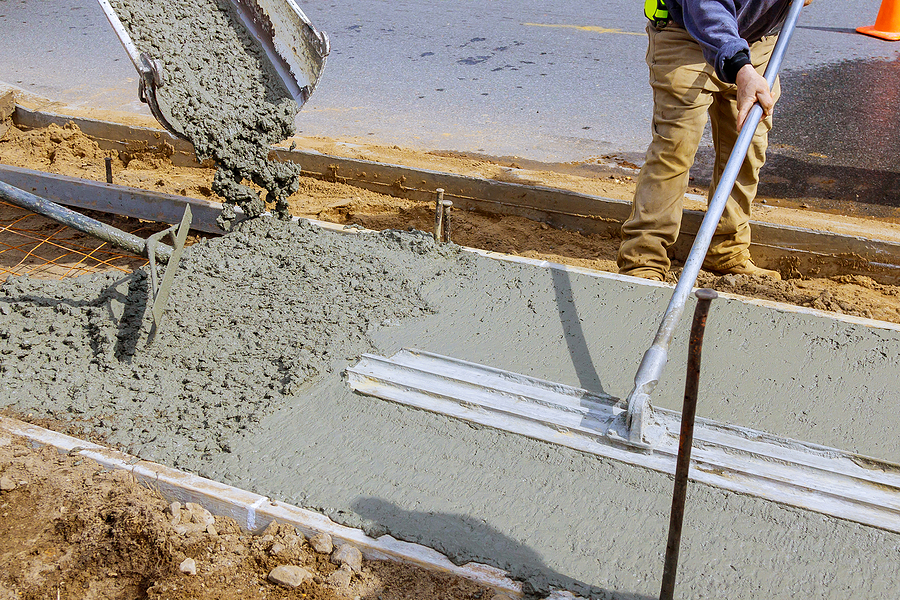
White concrete has a clean, modern look that stands out immediately. It is often used for patios, walkways, decorative features, and polished interior floors where appearance matters as much as performance.
At first glance, it might seem like white concrete is just regular concrete with a different color. In reality, it requires a more controlled process, the right materials, and careful handling to achieve a consistent finish.
If you are thinking about using white concrete for a project, it helps to understand what goes into it and how to get the best results.
What Makes Concrete White
Standard concrete gets its gray color from traditional Portland cement and darker aggregates. White concrete, on the other hand, starts with white Portland cement, which is manufactured with raw materials that contain very low amounts of iron and manganese.
Those elements are what typically give concrete its darker tone. By minimizing them, the cement takes on a much lighter appearance.
From there, everything else in the mix has to support that goal. Even small variations in sand, gravel, or water quality can affect the final color.
That is why consistency is such a big part of the process.
Choosing the Right Materials
The materials you use will ultimately determine how clean and bright the finished surface looks.
For white concrete, the selection process is more precise than with standard mixes:
- White Portland cement is essential as the base
- Light-colored or white aggregates help maintain a consistent tone
- Clean water is important to avoid discoloration
- Admixtures, if used, must be compatible with the desired finish
Even something as simple as using darker sand can shift the color toward gray or beige. That is why material sourcing matters so much with this type of project.
Mixing and Consistency Matter More Than Usual
Once you have the right materials, the mixing process becomes just as important.
White concrete is less forgiving than standard concrete. Small inconsistencies in the mix can lead to noticeable variations in color across the surface.
Maintaining a uniform water-to-cement ratio is critical. Too much water can lighten some areas unevenly, while too little can affect workability and finishing.
The goal is a consistent mix from start to finish, so the color remains even once the concrete cures.
Pouring and Finishing Techniques
The way white concrete is poured and finished plays a major role in the final appearance.
Unlike standard gray concrete, imperfections are more visible on a white surface. That means extra attention is needed during placement and finishing.
Smooth, controlled pours help prevent streaking or uneven coloration. Finishing techniques should be consistent across the entire surface to avoid visible differences once the concrete dries.
Timing also matters. Working the surface too early or too late can affect both texture and color, which is why experience matters here.
Protecting the Surface During Curing
Curing is one of the most important stages for any concrete project, but it is especially critical for white concrete.
As the concrete cures, it needs to retain moisture at a steady rate. If it dries too quickly, it can lead to discoloration or uneven shading.
Protective measures often include covering the surface or applying curing compounds to maintain consistent conditions.
Keeping the curing process controlled helps preserve both the strength and the appearance of the finished product.
Common Challenges with White Concrete
White concrete looks great when done correctly, but it comes with a few challenges that are worth understanding ahead of time.
Some of the most common issues include:
- Color inconsistency caused by uneven mixing or finishing
- Staining from dirt, debris, or contaminants during installation
- Surface imperfections that are more noticeable due to the light color
Because the surface is lighter, it tends to show flaws more easily than standard concrete. That does not mean it is fragile, but it does require more attention to detail.
Keeping White Concrete Looking Its Best
Once installed, white concrete benefits from regular maintenance to keep it looking clean and consistent.
Dirt, leaves, and other debris can cause stains over time if not removed. Sealing the surface can help protect against moisture and reduce the likelihood of staining.
Routine cleaning and occasional resealing go a long way in preserving the appearance. With proper care, white concrete can maintain its bright look for years.
When to Bring in a Professional
White concrete is not always the best candidate for a DIY project. The margin for error is smaller, and the results depend heavily on consistency and technique.
For larger surfaces or projects where appearance is a priority, professional installation often makes sense. Experienced crews understand how to manage materials, timing, and finishing to achieve a uniform result.
They can also address potential challenges before they become visible issues.
The Bottom Line
White concrete offers a clean, modern look that stands out from traditional gray surfaces. Achieving that look requires more than just swapping materials. It involves careful planning, precise mixing, and consistent finishing.
When everything comes together, the result is a surface that looks sharp, bright, and high-end. When it does not, inconsistencies tend to show quickly.
That is why attention to detail matters at every step.
If you are considering white concrete for your next project and want a clean, consistent finish, Custom Concrete Prep & Polish can help. Our team has the experience to handle the details that make the difference. Reach out today to get started on a surface that looks as good as it performs.